
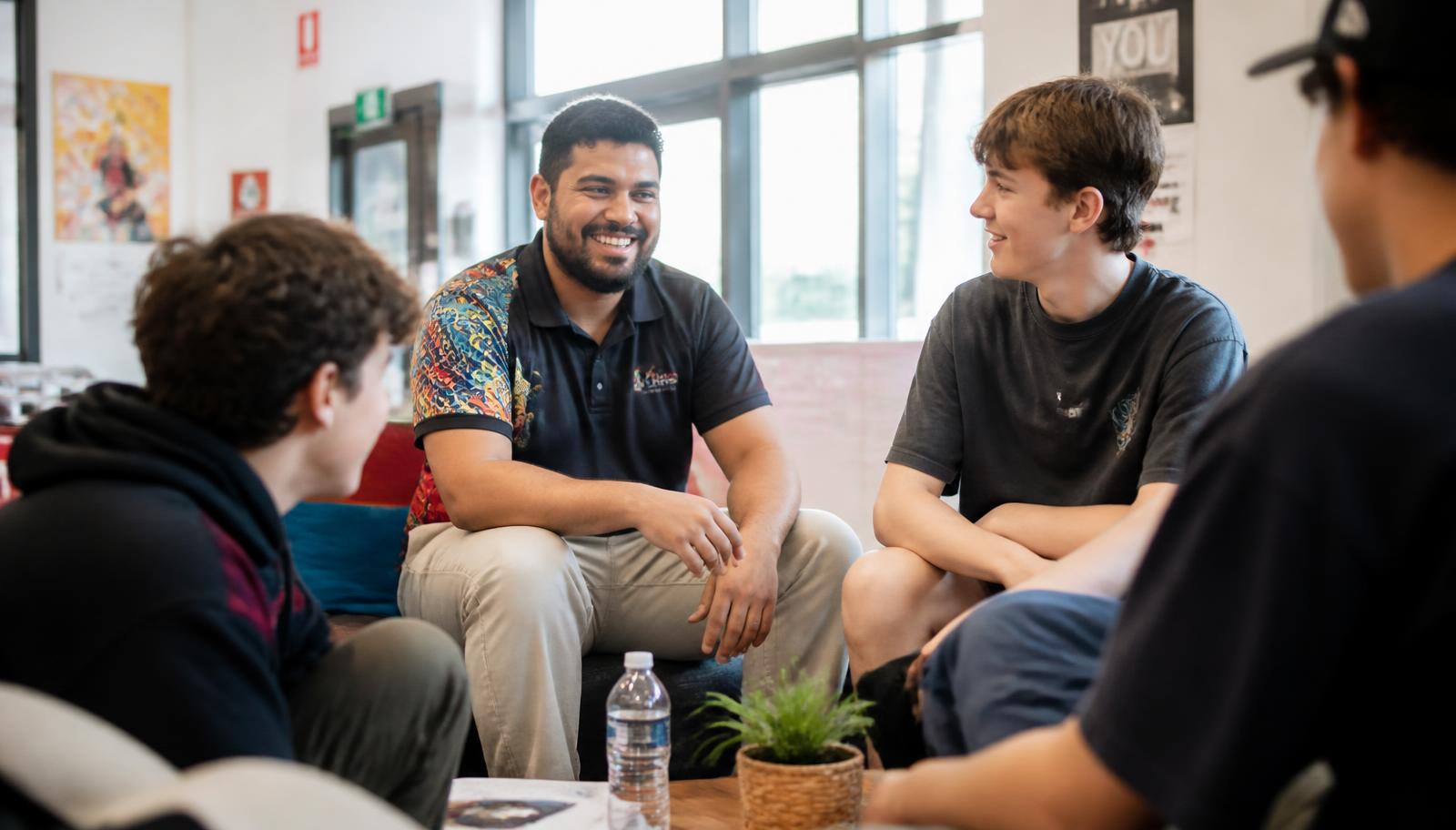
Every family is a case file
that keeps growing.
A referral becomes an assessment, a plan, a hundred small visits, and eventually an outcome someone has to be able to show. Most services hold that story across five systems.
Konetic One holds it as one record, from the first phone call to the day a young person leaves care, with the mandatory reporting, DEX and SCORE evidence built in rather than reconstructed.
A referral, growing into a measured outcome.
Open each page. The same case, five stages, one file the whole way through, instead of a different system at every handover.
Referral lands
A school counsellor, a hospital social worker, or a mother herself rings the intake line on a Tuesday afternoon. The urgency is not always obvious on the first call, and the source of the referral changes what happens next.
The referral is logged with source, presenting concern and urgency at first contact, and routed to the right program without a second phone call.
Assessment and safety check
A worker visits within days, sometimes hours, and has to form a view on risk while also building enough trust that the family lets them back in the door next week.
The Mandatory Reporter Guide sits inside the same workflow as the intake assessment, so a risk decision and a case opening happen in one pass, not two separate systems.
Case plan built
Goals get written down with the family in the room, not for them. A sixteen year old's goal is rarely the same as her mother's, and both need to be on the page.
Care plans hold a goal per person in the household, contact frequency, and a review date the system tracks rather than a diary.
The work itself
Home visits, a brokered fridge, a lift to a court date, a playgroup session, a phone call at nine at night because a placement has broken down. Most of it happens outside an office.
Visit notes, brokerage spend and incident records are captured on a phone in the car or the refuge hallway, and land against the one case the moment they are written.
Review and outcome
A support period closes, or a young person exits care, and someone has to say what actually changed. Funders ask this in a language of outcome domains, not a worker's private sense of progress.
Outcomes are scored against SCORE domains at the point of review and exported straight into the Data Exchange return, instead of being reconstructed from case notes months later.
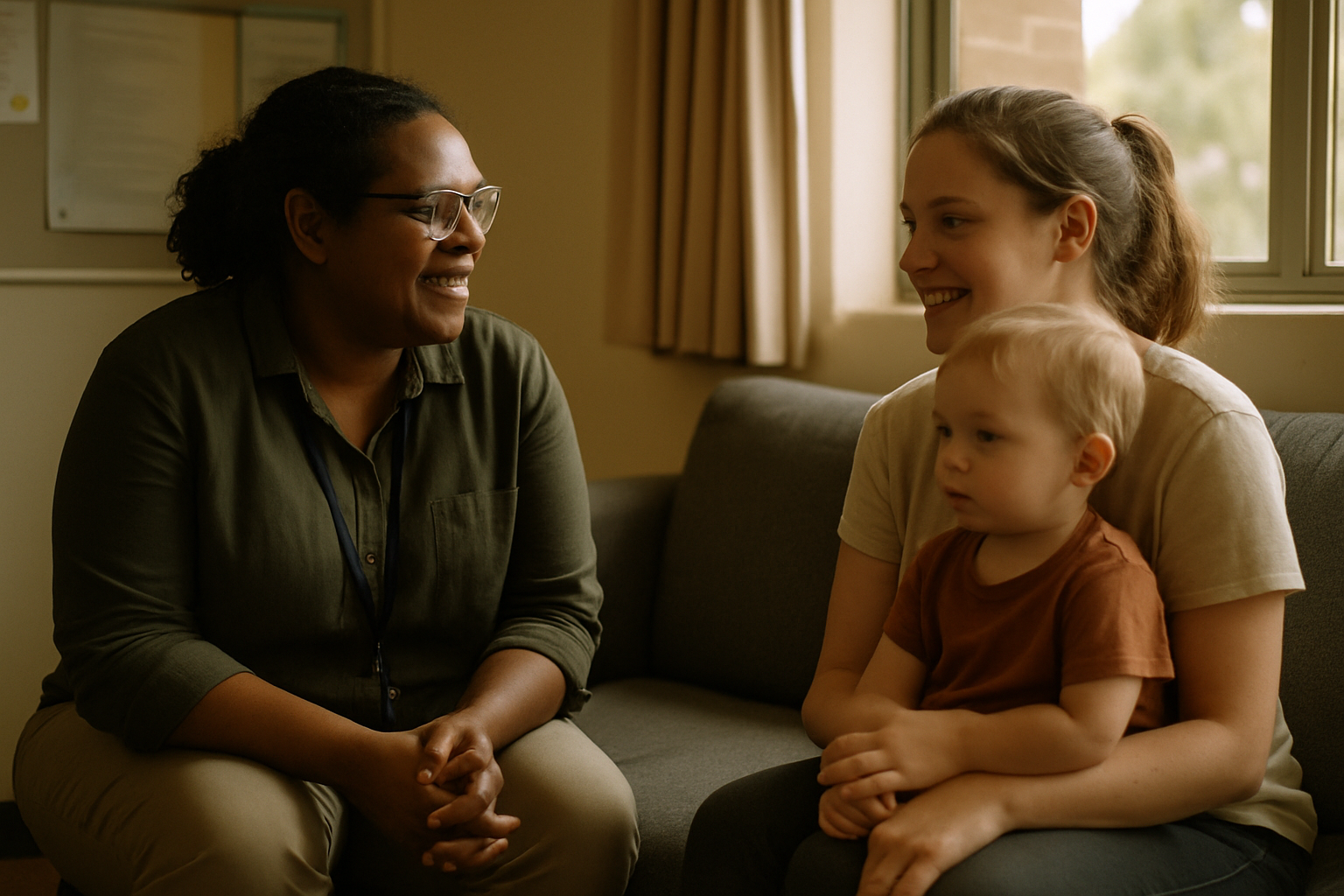
Intake decides more than it looks like it does.
The urgency a worker assigns on the first call shapes everything after it, a home visit within a day or a wait of two weeks. Getting the source, the concern and the consent right at that first point saves the file from being rebuilt later.
- Referral source and presenting concern captured in one screen, not a paper slip
- Consent for information sharing captured at first contact, not chased afterward
- Urgency routes the referral to the right program automatically
What the worker holds, and what the family sees.
A case file has always belonged mostly to the worker. Konetic One gives the young person and the family a version of it too.
The worker's file
- A household record covering every family member, not five separate client files to reconcile
- The MRG decision trail and who was consulted, ready if the case is ever reviewed
- Rostering that will not let a lapsed Working with Children Check onto tomorrow's roster
- One export at reporting time, DEX and SCORE, instead of a week rebuilding it from notes
The young person or family's view
- A young person's own portal login to see their leaving care plan and add to it themselves
- Consent given once for the term, not signed again at every playgroup session
- A kinship carer who can see their approval and training status without ringing to ask
- Contact details and case worker held in one place, so a family is not repeating their story
A playgroup is often the first place anyone notices.
Long before a school or a clinic sees a child, a supported playgroup facilitator does, and a developmental screening woven into a session that still has to feel like play can be the referral that changes a child's next ten years.

Eight service lines, each carried differently.
From intensive family support through to statutory leaving care duties, in the sector's own language.
Several visits a week, in the home, to keep a family together before it fractures.
- In-home visits several times a week, often at short notice when a family is in crisis
- Brokerage for rent arrears, whitegoods, school costs, the practical things that hold a household together
- Working alongside child protection without becoming an extension of it
- Case plans that name a goal for every adult and every child in the house, not just the referred parent
- Family group record
Household, kinship and case restrictions as one record, not five separate client files
- Care plans
Goals per family member, contact frequency against the plan, review dates that surface themselves
- Brokerage and claiming
Spend recorded against the program budget at the moment it is approved, not reconciled later
- Mobile capture
Visit notes written in the car straight after, synced whether or not the street has signal
The first relationship a toddler has outside the home, and the first read on a developmental concern.
- Supported playgroups running to a weekly roster, often with a waitlist longer than the room can hold
- Ages and Stages screening woven into a session that still has to feel like play
- Parents building their own network, not just attending a program
- Warm handover to speech, occupational therapy or paediatric services when a concern shows up
- Program register
Attendance and headcount taken on a tablet at the door, linked to the child and the family record
- Screening and outcomes
Developmental screening results held against the child, visible to the family worker without a separate form
- Referral tracking
A referral to allied health tracked to acceptance, not just to a fax that may or may not have arrived
- Consent
Photo and screening consent held once, valid for the term, not re-signed every session
Finding the right bed for a child tonight, and the right carer for the years after.
- Placement matching against sibling groups, cultural plan and a carer's actual household, not just a vacancy list
- Kinship carers who took a grandchild in overnight and are still waiting for their approval paperwork to catch up
- Carer training, respite rostering and support visits running alongside the child's own case plan
- Cultural care plans for Aboriginal and Torres Strait Islander children, reviewed on schedule, not when someone remembers
- Carer record
Approval status, training completion and household composition held against every child placed there
- Rostering
Respite, support visits and reviews rostered against the same record as the placement
- Document vault
Approvals, care plans and court material versioned, with an audit trail if a placement is ever questioned
- Case plans
Cultural care plan and placement stability goals reviewed on a schedule the system tracks, not a diary
A bed for tonight, and a reason not to be back in the system next month.
- Crisis accommodation intake at any hour, often for a young person the system has already failed once
- Bail support and diversion conversations that happen in a car outside a courthouse, not a clinic
- Night patrols and street outreach logging contacts that never fit a scheduled appointment
- Moving a young person from refuge toward transitional or independent housing before the twelve week limit bites
- Client record
One record across refuge, outreach and diversion, so the same young person is not three separate files
- Incidents
Incident and duty of care events logged with timeframe, escalation and who was notified
- Workforce compliance
Ratios, screening and Working with Children Check currency checked before a shift is confirmed
- Transport
Court runs and appointment transport attached to the young person's plan, not a separate booking sheet
Showing up at the school gate often enough that attendance stops being a battle.
- One to one mentoring, sport programs and school holiday activities that fill fast and run on volunteers
- Attendance and engagement work done in partnership with a wellbeing coordinator, not instead of one
- A relationship that outlasts a single term, because trust with a fifteen year old takes longer than a program cycle
- Matching a mentor to a young person on more than a shared free period on Tuesdays
- Enrolment and consent
Parent and school consent held once, valid across the year's sessions
- Outcomes
Attendance and engagement tracked per young person over the relationship, not one term at a time
- Workforce compliance
Mentor screening and training currency checked automatically before a match is made
- Portal
A school partner sees engagement and attendance trends without needing a phone call
Understanding a family's history before the next conversation, not rediscovering it every visit.
- Trauma informed practice frameworks that expect a worker to know what has already been tried and what has not
- Therapeutic case work sitting alongside practical family support, not run as a separate clinical stream
- Clinical supervision that needs the actual case history in front of it, not a worker's summary from memory
- A family who should never have to explain their history to a new worker from the beginning again
- Case history
A structured, whole of family history available to any worker with the right scope, on the day they need it
- Care plans
Prior interventions, what worked and what did not, carried forward rather than repeated
- Supervision
Case discussions and reflective supervision recorded against the case, evidenced without extra paperwork
- Cultural and safety flags
Sensitivities and safe practice notes visible before a new worker walks in the door
Applying a structured tool under pressure, then being able to show your working months later.
- Applying the Mandatory Reporter Guide against what was actually observed, not a general sense that something is wrong
- Consulting a senior practitioner before a decision, and needing that consultation on the record
- Child Safe Standards requiring evidence of practice, not just a policy on a shelf
- A reportable conduct process that has to survive scrutiny from a regulator, not just an internal file note
- Risk and safety
MRG outcome, structured risk level, who was consulted and the decision itself, timestamped on the case
- Incidents
Reportable conduct workflow with the required timeframes visible on screen, not tracked in someone's head
- Workforce compliance
Child Safe Standards training and screening evidenced per worker for audit
- Documents
The decision trail exportable as one packet if a case is ever reviewed
Building a plan for independence years before a young person actually needs it.
- Leaving care conversations that should start at fifteen, but often start in the final months instead
- Housing, education, employment and identity documents, all needing to be lined up before a young person turns eighteen
- A young person who wants a say in their own plan, not a document written about them
- Aftercare support that funders expect to continue well past the legal end of care
- Guided flows
Leaving care milestones and goals tracked from age fifteen, prompted well ahead of the date rather than after it
- Client portal
The young person sees and contributes to their own plan, not just the version their worker holds
- Care plans
Housing, education, employment and identity document goals held against the same case, not five spreadsheets
- Outcomes
Aftercare contact and outcomes tracked past the legal end of care, where most systems stop looking

“A night patrol contact never fits a scheduled appointment. It still has to end up in the file.”

A grandmother took a child in overnight. The paperwork is still catching up.
Kinship carers often start caring before their approval is finished, and a service has to keep training, respite and review dates moving without losing sight of the child at the centre of it.
- Approval status, training and household composition held against every child placed there
- Respite and support visits rostered against the same record as the placement
- Cultural care plans reviewed on a schedule the system tracks
An obligations ledger, mapped to what the platform produces.
Four duties that sit over every service line in this sector, and the evidence each one leaves behind.
Mandatory reporting and Child Safe Standards
A reasonable suspicion of harm has to be assessed against a structured tool, escalated, and the decision defended months later if a case is reviewed. Child Safe Standards ask for evidence the policy operates, not the policy itself.
DEX and SCORE reporting
Commonwealth funded programs report client and outcome data through the Data Exchange, scored against SCORE outcome domains at the point a support period closes, in a format that has to match what was actually delivered.
Out of home care duties
Carer approval, training currency and cultural care plans have to be reviewed on a legislated schedule, and a placement's stability has to be demonstrable if a child's case is ever escalated.
Leaving care duties
Planning is expected to start from age fifteen and aftercare support is expected to continue past the legal end of care, well beyond where most systems keep looking.
The file is only ever as good as the practice behind it.
Supervision, cultural care planning and mentoring are done by people, not screens. The platform's job is to make sure none of it disappears the day someone changes teams.

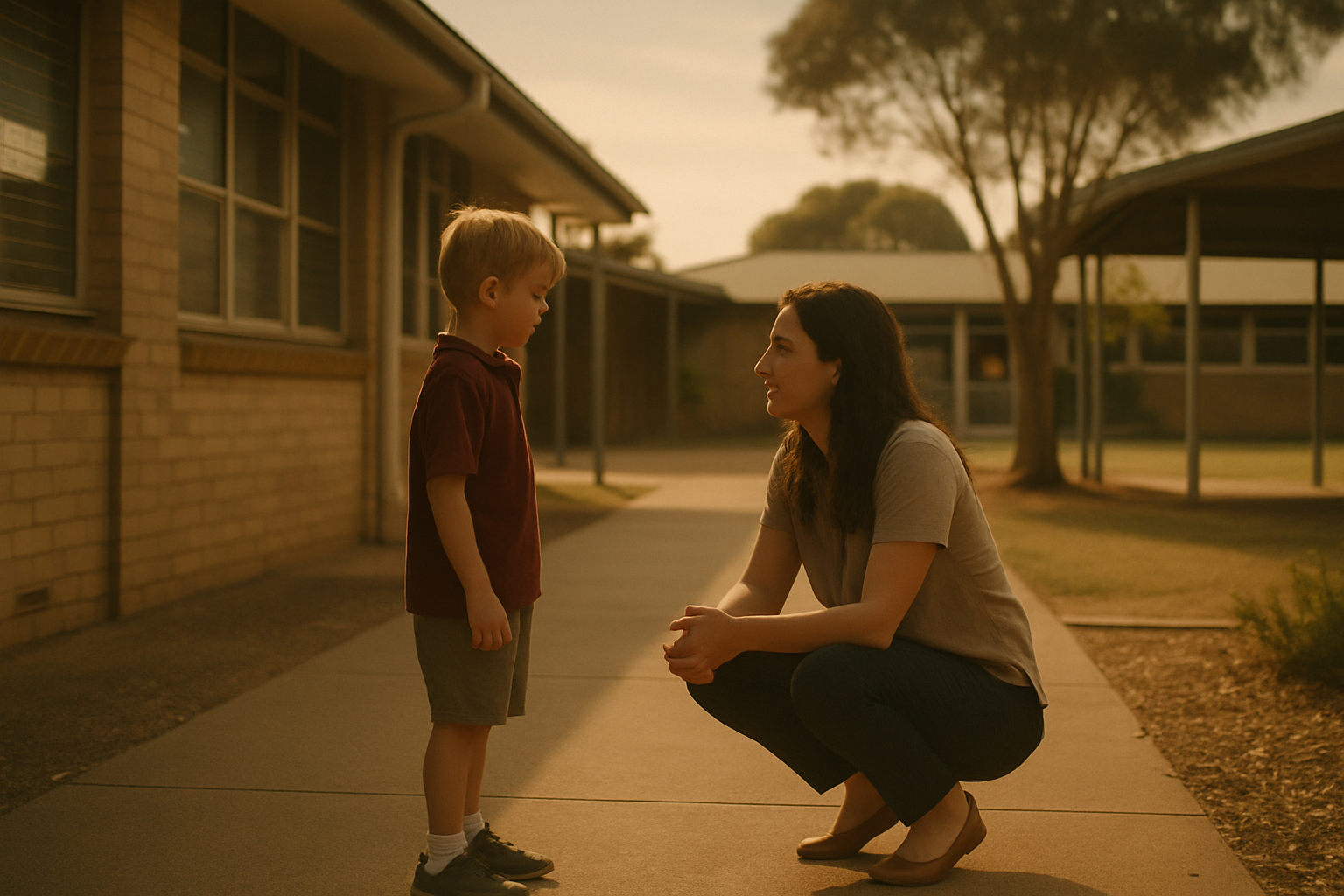


Case notes written in the car, straight after.
A visit note written from memory two days later is a worse record than one written in the driveway. Mobile capture means the file grows the same day the work happens, whether or not the street has signal.
- Visit notes synced the moment coverage returns, never lost to a dead zone
- Brokerage approved and recorded at the moment it is spent
- Goal progress updated against the plan, not reconstructed at review
Ruby drafts the note. A person decides if it is right.
Ruby, Konetic One's assistant, listens to a worker's spoken summary straight after a home visit and drafts the structured case note, in the family's terms, ready for the worker to check, edit and file.
A visit note, drafted from a voice memo
Illustrative product content. The worker speaks for two minutes in the car. Ruby drafts a structured note against the household record, tags the family members present, and flags anything that reads like a mandatory reporting concern for the worker to check against the guide themselves.
Ruby never sees a field the worker cannot see, and no draft is saved to the file until a person accepts it.

The detail behind each obligation.
Written for the practitioners and managers who carry these day to day.
Child Safe Standards
How Konetic One turns the ten National Principles for Child Safe Organisations and state based Child Safe Standards into evidence, assigned owners.
Read the detailMandatory reporting
Konetic One captures the Mandatory Reporter Guide decision trail, generates the report to the statutory child protection authority.
Read the detailDEX SCORE outcomes
How Konetic One captures SCORE at intake, review and exit, validates every DEX field before upload, and gives family.
Read the detailOut of home care
Konetic One holds placement, cultural and case plans, contact schedules and restoration progress in one record so out of home care.
Read the detailYouth justice diversion
Konetic One tracks diversion conditions, case plans and program attendance for young people in youth justice pathways.
Read the detailWhat youth and family services ask us first.
Related sectors
Many providers in this sector also run programs funders classify elsewhere.
Bring one case file. We will show you the platform against it.
Not a demonstration built on nothing. Bring a real referral, redacted if you need to, and we will walk it from intake through to the DEX and SCORE return it eventually produces.