Konetic One Australian Community Services Management Platform Logo
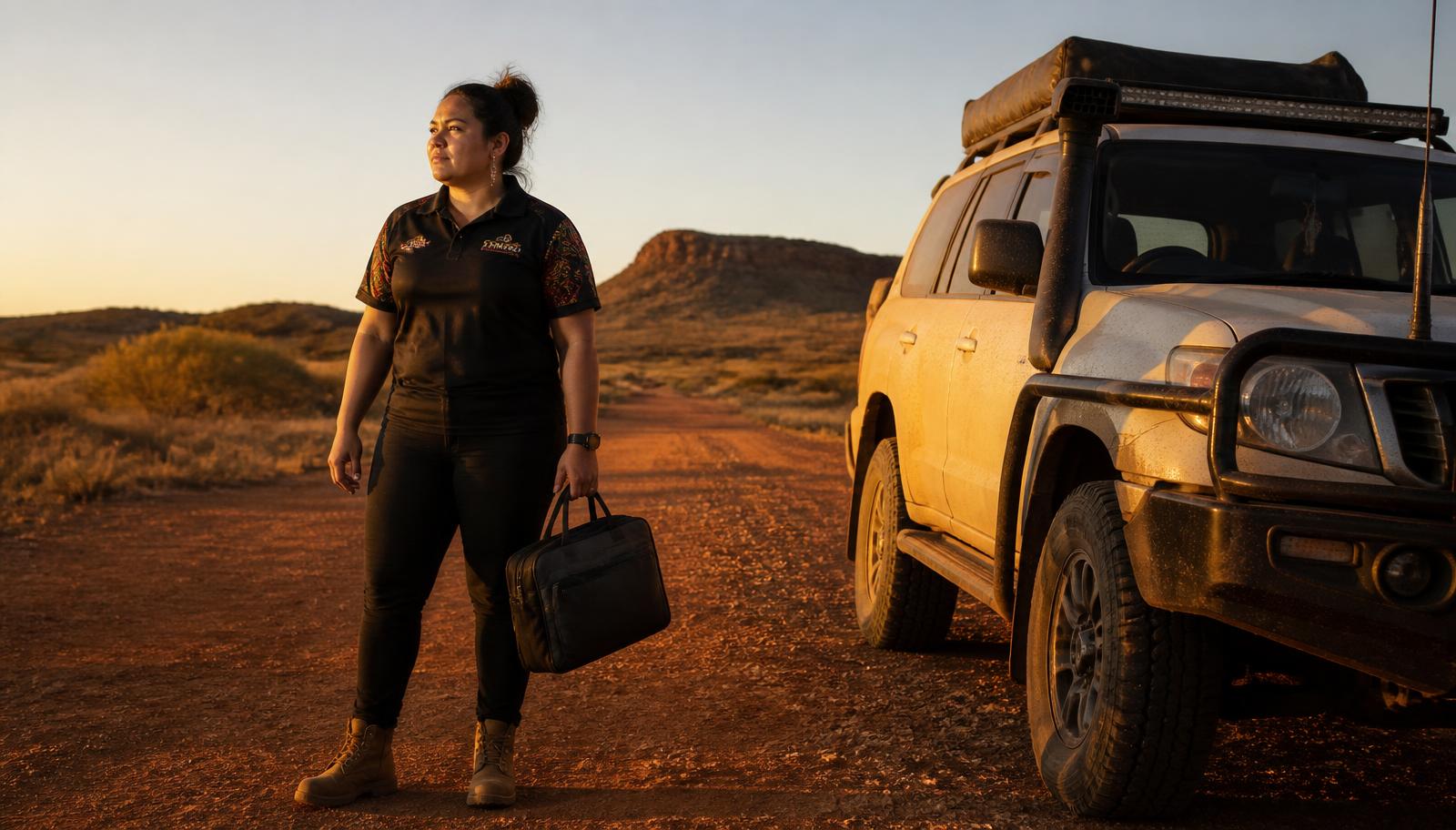
A community services worker's vehicle on a red dirt outback road in rural Australia, stretching toward the horizon under a wide sky
Rural and remote platform for Australian community services

The service that has to work a long way past the last bar of signal.

One generalist worker often carries aged care, disability, youth, emergency relief and a 600 kilometre loop in the same week, and the record has to survive the drive as well as the visit.

Konetic One captures the whole run offline on phone and tablet, applies the right funding rules and MMM loadings behind the scenes, and syncs the moment coverage returns.

Offline first
Phone and tablet, no bars required
CHSP, SaH & NDIS
Remote and very remote loadings
Cultural safety
Preferences inside the record
AU
Hosted, owned and supported in Australia
What we heard from the sector

Rural and remote providers carry more programs, more kilometres and less signal than any office platform was designed for.

From the Pilbara to the Western Riverina, from Cape York to the APY Lands, providers describe the same picture. One worker, many funders, long roads and platform that assumes a desk and fibre. Communities feel the gap before the spreadsheet does.

Connectivity is a planning input, not an assumption

Stations, communities and outstations move between full coverage, satellite only and complete blackspot in the same trip. Any platform that breaks without signal is a platform that breaks at the kitchen table where the work happens.

One worker wears every hat

A single rural worker can run aged care home visits, NDIS check ins, a youth program and an emergency relief intake in a single week. The record system has to follow the person, not the program.

Distance is the budget

Fuel, vehicle wear, accommodation and overnight stays dwarf city service costs. Funders still want activity per dollar, and providers need to defend kilometres as care, not overhead.

Cultural safety sits beside clinical safety

Working with Aboriginal and Torres Strait Islander communities requires kinship awareness, sorry business protocols, gender of worker, language preference and community permission, captured respectfully and protected from the wrong audience.

Who this is for

The worker who is the whole service system for a community.

A single generalist worker carries aged care, disability, youth and family programs into communities a funder's office has never seen. The record has to be as portable as the person carrying it, and as respectful of the community it enters.

A community worker with a clipboard talking with a family outside a community building on red dirt in remote Australia
The run

Four stops, no signal for most of them. Watch what the platform still does.

This is one worker's real outreach day, Marla to Coober Pedy. Every entry below was captured on the device while the vehicle had no coverage at all. Switch the connectivity toggle to see what happens the moment the vehicle finds a tower again.

4 stops captured and queued on the device, waiting for a tower.

  1. 08.40, Support at Home
    Marla, home visit
    Queued on device

    Fortnightly personal care review for Mrs. T., 78, chronic disease care plan due this month.

    • Assessment note
    • Photo of pressure care dressing
    • Client signature
  2. 11.05, NDIS, plan managed
    Oodnadatta, community hall
    Queued on device

    Youth group session, four attendees, remote loading applies to the worker's travel time.

    • Attendance and outcomes
    • Group photo
    • Travel kilometres logged
  3. 13.20, Family services, council funded
    Anna Creek Station, welfare check
    Queued on device

    Welfare check requested by a neighbour, no prior file on this household.

    • New client record opened
    • Welfare flag raised
    • Consent to share with local health service
    A welfare flag is captured now, on the device, ready to escalate the instant coverage returns.
  4. 16.50, CHSP
    Coober Pedy, return to base
    Queued on device

    Vehicle refuelled, kilometres and accommodation booking closed out against the loop.

    • Fuel and kilometres
    • Overnight accommodation cost
    • Loop closed

Nothing about this loop depended on the mobile network. The record was written on country, at the time it happened, and it reached base in the same order it was captured, not the order the worker remembered it.

Organised by remoteness

The further out the service, the more the record has to carry on its own.

Konetic One is built around the Modified Monash Model, the classification that already sets NDIS travel loadings and workforce incentives. As a service moves from regional through remote to very remote, distance grows, connectivity drops and telehealth carries more of the clinical load. The record has to escalate with it.

Clients chasing

A client or their family rings the office to ask when the worker is next in their community.

Coordinators spend hours on calls that a published schedule would have answered.

Clients and families see the same outreach schedule the coordinator sees, permissioned to their own visits, so the answer does not depend on someone being at a desk.
Audit evidence

Evidence of a service delivered on country is a fuel receipt, a photo on a personal phone and a memory.

An acquittal or an audit becomes a scramble through glove boxes and old notebooks weeks after the trip.

Each visit carries its own evidence, time, location, worker and outcome, attached at the moment of capture rather than reconstructed later.
Where we help

Built for outreach, not adapted from a city office.

A 600 km loop, a sorry business pause, a shared worker across four funders and a satellite link at the kitchen table all belong to the same week. Konetic One is designed to hold that week without paper, without rework and without a return to base just to write it up.

Offline first, signal optional

Open a client, capture an assessment, take a photo and log a welfare note in a blackspot. Everything syncs the second the vehicle hits coverage, with no lost data and no rekeying at base.

  • Phone and tablet, works without bars
  • Photos, signatures and forms captured offline
  • Sync, conflict resolution and validation on reconnect
Sync ledger
Mrs. T. assessment
Captured 11.40am, offline
Group photo, youth
Saved locally, 4.8 MB
Welfare flag, Mr. K.
Queued, escalation pending
Driver kilometres
Synced 4.06pm at base
Cultural profile
LanguageYolŋu Matha
Worker genderFemale
KinshipAvoid named relations
Sorry businessPause this week

Cultural safety inside the record

Language, gender of worker, kinship sensitivities and sorry business protocols travel with the client, with role aware access so only the right worker sees them and the next worker arrives prepared.

Interpreter on call
Community permission
Restricted access
Audit history
Aged care
CHSP, SaH
NDIS
Remote loading
Family & youth
DEX SCORE
Emergency relief
Council, IAS

One worker, many programs, one record

The same client and the same worker carry across aged care, NDIS, family, youth and emergency relief. Funder rules, eligibility and reporting are applied automatically so the worker focuses on the visit, not the form.

One login, every program
Funder rules in the background
Cross program outcomes for the same person
Trip cost picture
Week 22, 612 km
$284
Fuel
$320
Accommodation
9.4
Vehicle hours
47
Visits delivered
Cost per visit defended against funder, with kilometres as care.

Outreach planned around the country, not a city map

Konetic One builds the run from due visits, community days, road and weather conditions, fuel and overnight accommodation, then adapts when a road closes, a community shifts a day or sorry business calls a pause.

  • Due visits and community days in one view
  • Road, fuel and overnight built in
  • Pause and shift days respected, not overridden
A community services worker's vehicle on a red dirt outback road in rural Australia, stretching toward the horizon under a wide sky
From the Pilbara to Cape York to the APY Lands

The record has to survive the drive. Every outback community and every outstation is a place the platform has to work, not a place it hopes for signal.

In the bush the service is the person who turned up, and the record is the proof that somebody did. Konetic One is built for the distances Australian rural and remote providers actually cover, not for a metropolitan office.

National challenges across rural and remote Australia

The problems outreach platform has to solve before it earns worker trust.

The same pressures appear in Aboriginal community controlled organisations, regional NDIS providers, rural aged care teams and mobile family services. Pick a challenge to see how Konetic One addresses it.

Platform that dies without signal

The problem

Most case management was built for an office with fibre. On a station, an outstation or a remote community, that platform either freezes, loses data or sends the worker back to paper.

Konetic One

Konetic One is offline first on phone and tablet. Visits, assessments, photos and welfare notes are captured in the moment and sync back the second the vehicle reaches coverage.

08.10
Left base, 4G
Synced
10.25
Marla, 3G patchy
Queued
12.40
Track in, no signal
Offline ok
15.55
Back at Coober, 4G
Synced 11 notes
How the platform changes the outreach journey

Continuity from the planning whiteboard to the funder report.

Rural outreach loses evidence, kilometres and continuity between the office, the vehicle and the funder portal. Konetic One keeps the same record across plan, leave, on country, sync and after the trip.

  1. 01

    Plan the run

    The coordinator sees due visits, community days, road conditions, fuel and overnight accommodation in one view, and builds the week without paper.

  2. 02

    Leave town

    The worker takes the run, client records and intake forms offline on a phone or tablet, with cultural and clinical context already in hand.

  3. 03

    On country

    Visits, assessments, photos, welfare notes and consent are captured in the moment, without bars, without paper, without a second pass.

  4. 04

    Back in signal

    Everything syncs in seconds, funder fields are validated and any safety or welfare flag is escalated to the right person before the worker logs off.

  5. 05

    After the trip

    Kilometres, fuel, accommodation, contributions and outcomes flow into funder reporting and the next outreach plan automatically.

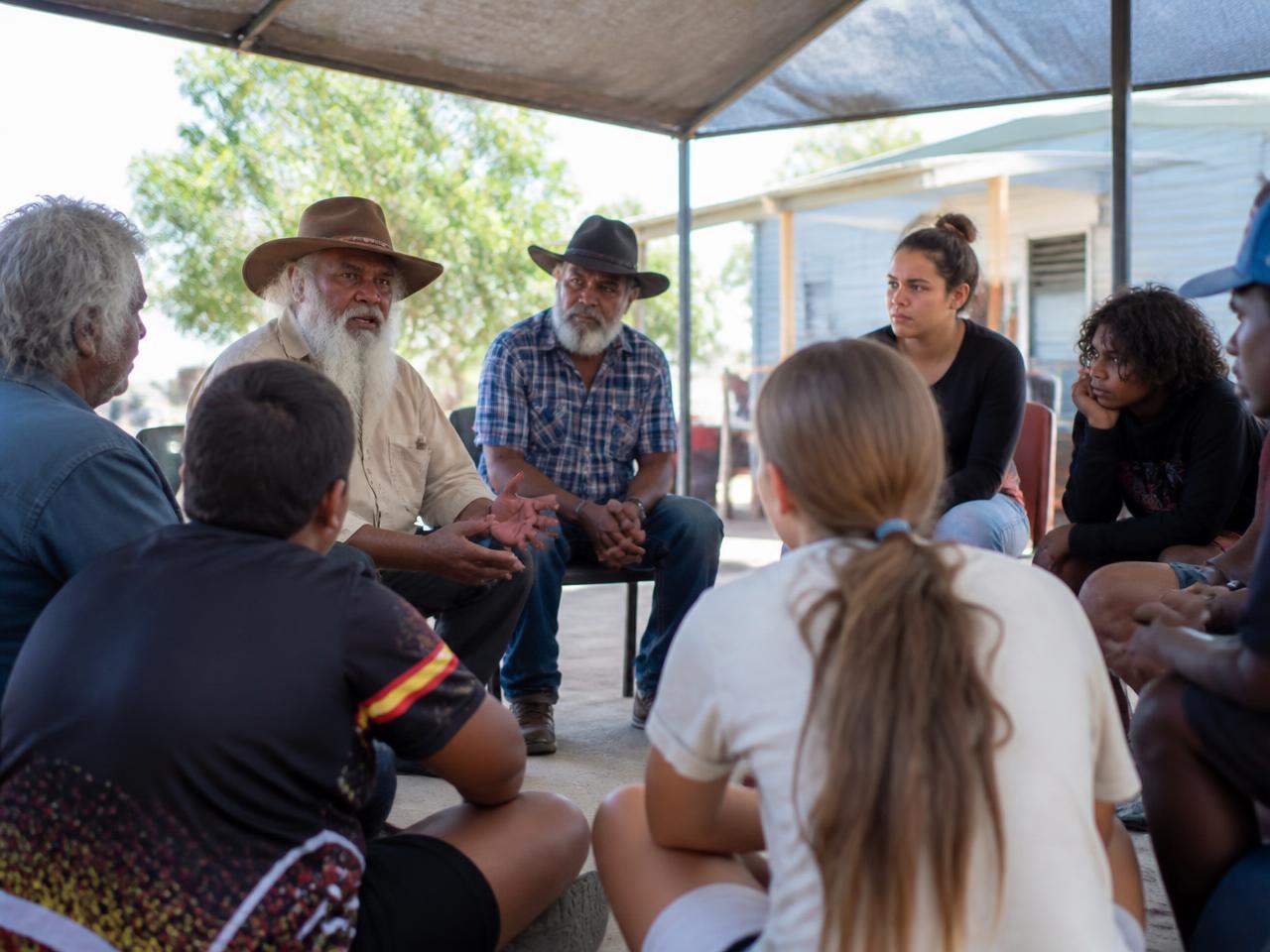
A group of Aboriginal community members and a visiting worker sitting together in conversation under a shade shelter
Cultural safety, not an afterthought

Kinship, language and permission travel with the record, not with one worker's memory.

Working with Aboriginal and Torres Strait Islander communities means gender of worker, sorry business, language preference and community permission matter as much as the clinical detail. When a worker moves on, that context should not leave with them.

  • Cultural and access notes attached to the client record, visible to the next worker who arrives
  • Access to sensitive cultural information scoped by role, not open to every login
  • Community permission and preferences recorded once and respected every visit after
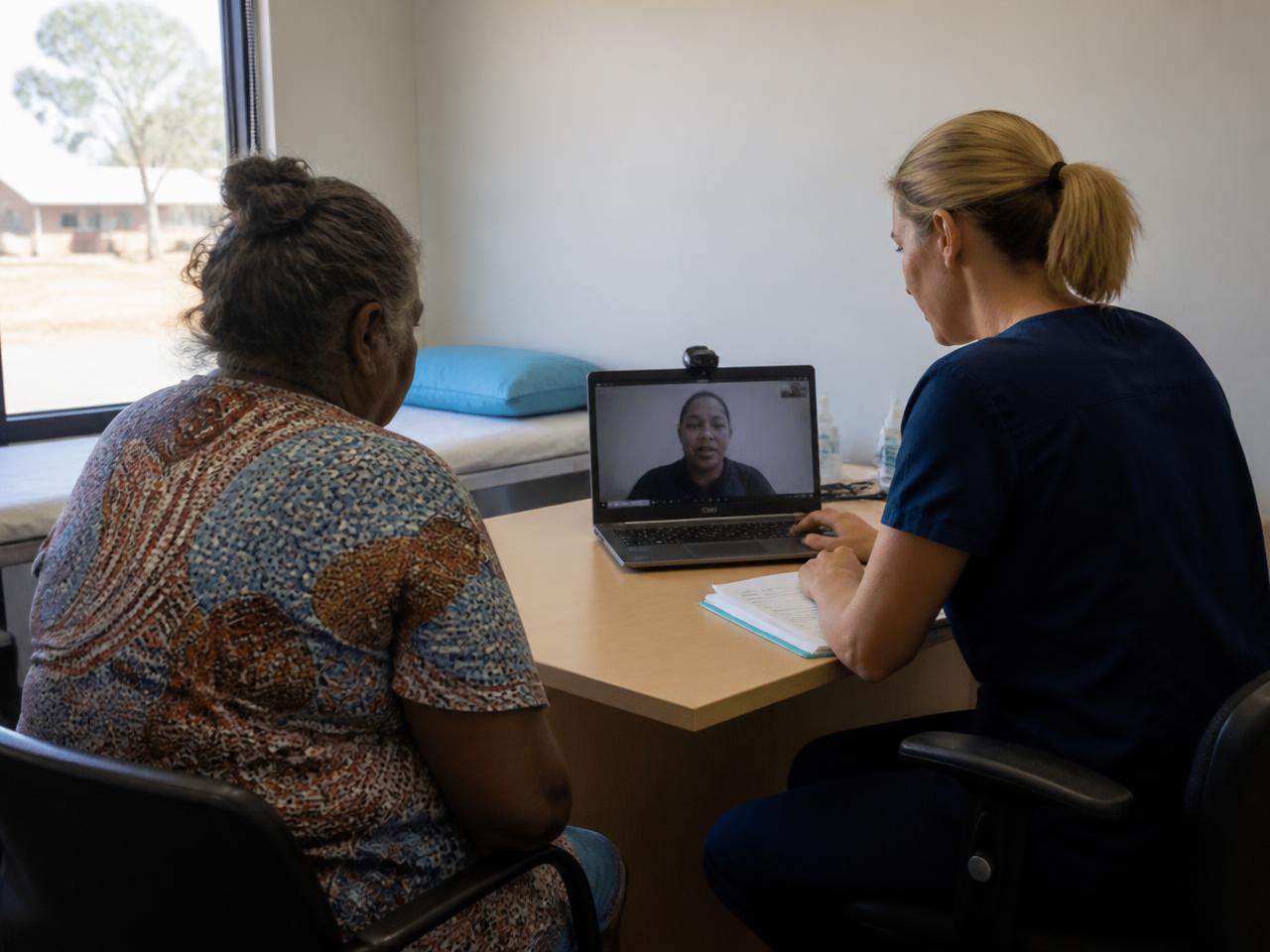
A nurse and a client joining a telehealth appointment on a laptop in a small clinic room in remote Australia
The people doing the work

Coverage is measured in kilometres, so the record has to travel

Rural and remote teams run long outreach loops, telehealth clinics and shared care with visiting specialists, often with patchy connectivity. Konetic One works offline on a phone or tablet and syncs when signal returns, so the record is written on the road, not from memory a week later.

  • Offline capture on the road, with sync when connectivity returns
  • Travel time and kilometres attached to the service event
  • Telehealth and face to face contacts on one client timeline
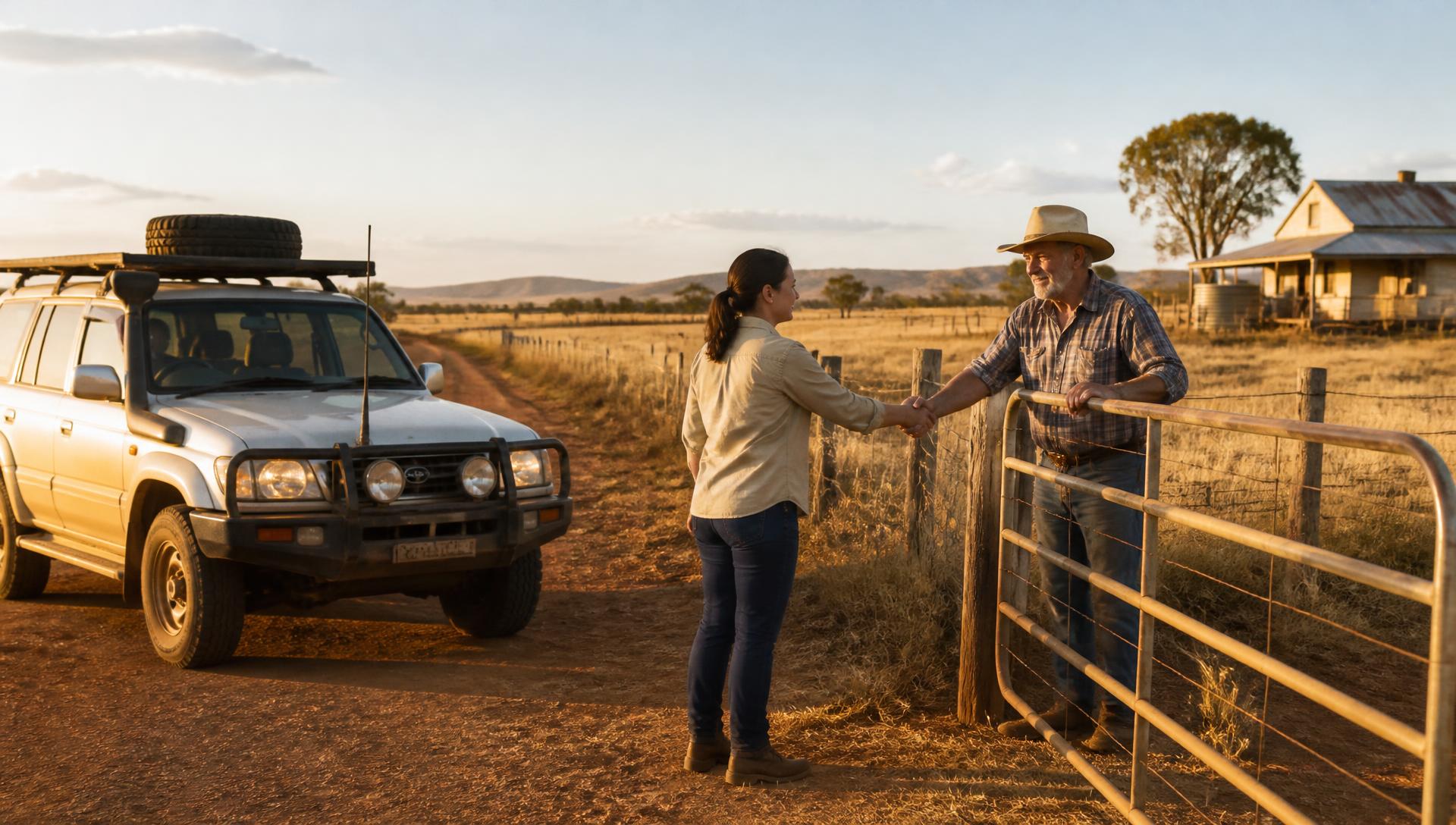
A rural outreach worker shaking hands with an older farmer at a farm gate beside a dirt road at sunset
Funder reporting built into the visit

Reporting that is the by product of a clean visit, not a weekend rebuild from receipts.

Rural and remote providers searching for platform are usually trying to fix the same end of quarter pain. Konetic One treats DEX, Support at Home, NDIS, council and philanthropic evidence as part of the visit itself.

  • Validates funder specific fields at the kitchen table, not after the fact.
  • Flags missing kilometres, contributions or signatures before the period closes.
  • Aligns Commonwealth, state, council and philanthropic evidence around one client record.
  • Supports stronger organic search intent around remote case management, rural NDIS platform and Aboriginal community controlled organisation platform in Australia.
Reporting readiness
Evidence quality by funder
DEX (CHSP and family)
96 percent

Sessions, clients, SCORE and SCTT ready to upload.

Support at Home
91 percent

Service delivery and quarterly evidence aligned to July 2025 reforms.

NDIS in remote
87 percent

Plan and self managed claims with remote loadings respected.

Council and philanthropic
82 percent

Activity, demographics and kilometres for grant acquittals.

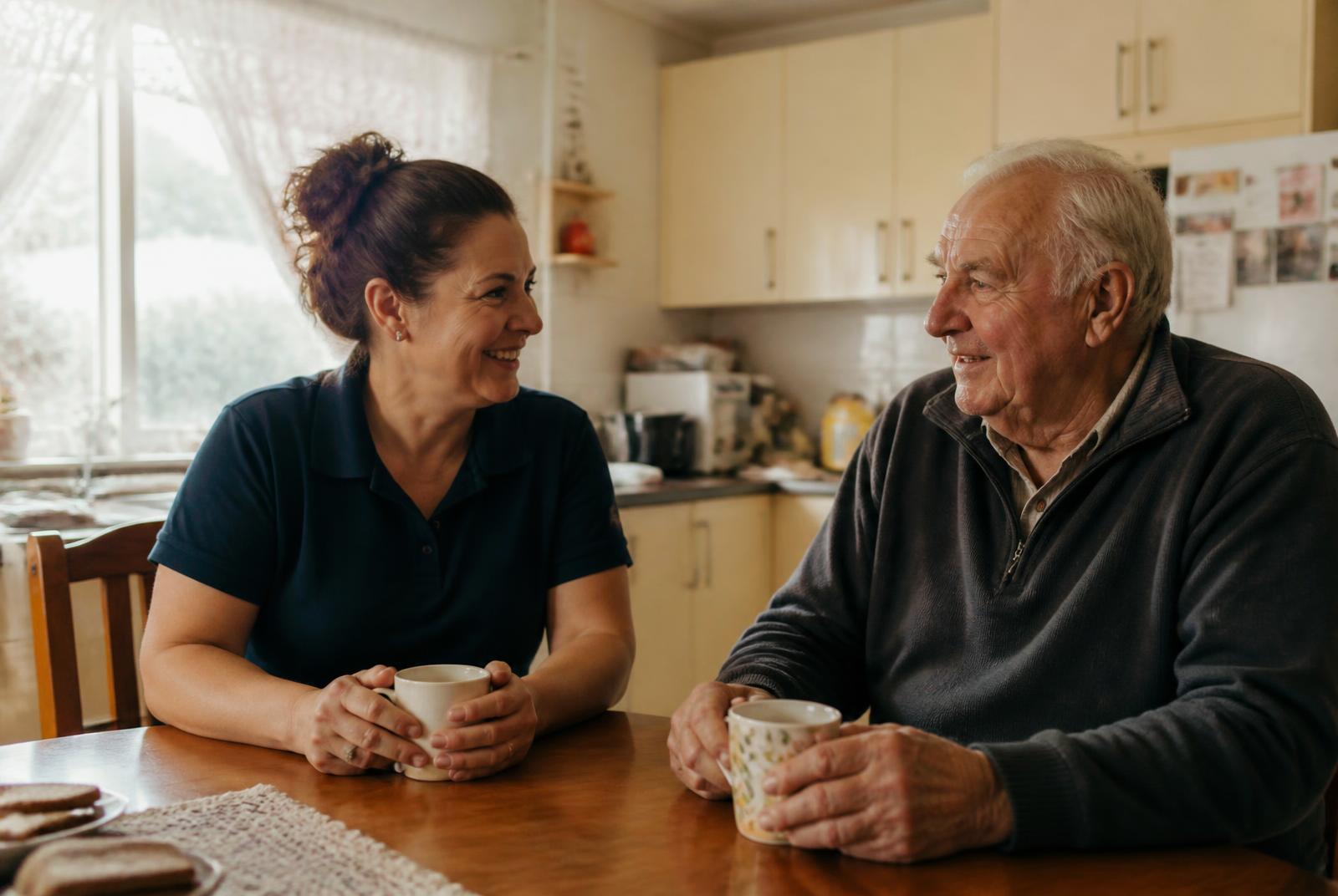
A support worker sitting at a kitchen table sharing tea with an older client in a rural home
The work happens at the kitchen table

A visit is a conversation over a cup of tea long before it is a data field.

The best rural workers build trust over time, at the same kitchen table, across aged care, family support and NDIS visits that a city system would treat as three separate clients. Konetic One follows the relationship, not the funding stream.

Why the visitor should start a conversation

A serious rural demo should start with next month's outreach loop.

If your team is juggling outreach, volunteer drivers, accessible vehicles, cultural safety, Support at Home, NDIS remote loadings and grant acquittals, the question is not whether a screen can store a visit. The question is whether the platform can carry next month's loop end to end.

Executives

See visits, kilometres, cost per outcome and compliance signals before they become board, funder or community problems.

Workers on the road

One offline screen, today's visits, cultural context and a one tap log that holds when the bars stop.

Coordinators

Build the outreach loop, match the right worker, adapt to road and sorry business changes, without paper or rework.

Quality and reporting

Validate DEX, Support at Home, NDIS and council evidence before deadlines, not after them.

Ruby, the ambient layer underneath the record

Ruby lives inside the record, quietly noticing what a stretched team cannot watch for.

Ruby is not a dashboard a coordinator has to remember to open on top of everything else. It grows out of what is already captured on the run, gently surfacing what needs a human, and staying out of the way of what does not.

  • Notices patterns a single worker cannot see across a whole catchment

    When check ins start drifting later on the same stretch of road, or a community's visits keep slipping, Ruby surfaces the pattern to a coordinator instead of waiting for it to become a crisis.

  • Reads the outreach run before the trip, not after

    Ruby looks at due visits, road and weather signals, and prior trip notes to suggest a run that respects fuel range and community days, leaving the final call with the coordinator.

  • Keeps funder evidence growing in the background

    As visits sync, Ruby checks the fields each funder needs and nudges only the ones that are missing, so a quarter end never becomes a scramble through old notebooks.

Ruby, this week
Quiet observations, not alerts
Oodnadatta loop

Check ins running 40 minutes later than usual this month, worth a conversation with the driver.

Mrs. T., Support at Home

Two funder fields still open from last visit, gentle nudge sent to the worker's next sync.

Marla community

Youth program attendance trending up, may be worth a second worker on that day.

Three places the work happens

The service system is a hall, a clinic room and the back of a van.

Rural and remote service delivery does not look like an office. It looks like whatever room, vehicle or verandah is available on the day, and the record has to work in every one of them.

Community members and a worker meeting around a table inside a community hall in a remote town
A community governance meeting inside the local hall, minutes and actions recorded on the spot.
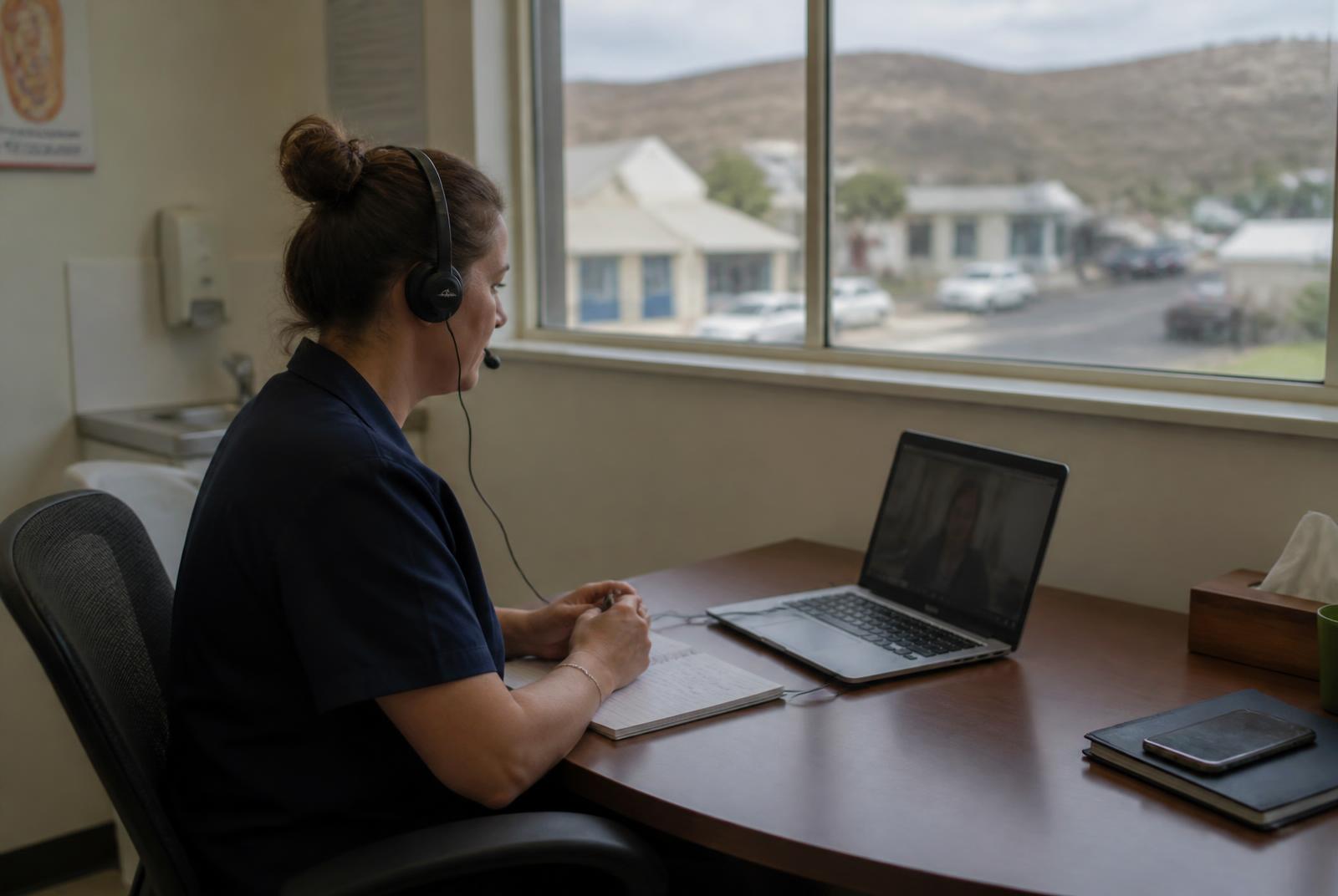
A clinician on a telehealth call at a desk in a small clinic room with a country town visible through the window
A telehealth consult from a small town clinic, filling a specialist gap between visits.
An outreach worker talking with two young people beside a parked van at sunset
An outreach conversation beside the van, the office for the afternoon.
But can it do

The distance and connectivity questions providers actually ask us.

Search the awkward edge cases. If a straight answer is no, or it needs configuration, that is what you will read.

What this looks like at your size

A worked example for a mid sized outreach team.

Illustrative figures for a provider covering 9 communities, 340 clients across all programs and 14 generalist and outreach workers, each losing roughly 3.5 admin hours a week to re-keying across systems, portal reconciliation and chasing paper notes after a loop. This is not a savings promise, it is the shape of the recurring administrative and travel time that comes out of one record replacing three.

49 hrs
Admin hours in scope each week

Across the generalist and outreach workforce, before any change.

941 hrs
Hours back each year

Assuming a conservative 40 percent of that admin is duplication a single record removes.

29
Community visits a month

Outreach stops carrying their own evidence rather than a separate paper trail assembled later.

340
People on one record

Clients whose care, funding and family contact sit in a single file across every program they touch.

These are indicative and deliberately conservative. We would rather build the model with your real outreach loop and portal data in a working session than publish a number that flatters us.

Operating brief

Running a rural or remote service in Australia

Distance changes everything about how a service is planned, funded and reported. Here is where that reality lands on the record, and what Konetic One does about each part of it.

MMM classification and thin markets

The Modified Monash Model classifies locations from MM1 metropolitan through to MM7 very remote, and that classification drives NDIS remote and very remote loadings, workforce incentives and which providers even attempt to service a given community. In a thin market, a provider may be the only option for a whole region, which means funding decisions and reporting have to defend cost per outcome across long distances, not against a metropolitan benchmark. Konetic One applies remote and very remote pricing rules automatically based on client and worker location, tracked through funding and finance.

Workforce recruitment and travel

Rural and remote providers compete for a small local labour market and often rely on fly in fly out or drive in drive out staff, locums and outreach teams covering huge catchments. Rosters have to account for travel time as real work, not a gap between appointments, and a single worker frequently carries several programs in the one visit. Konetic One builds rosters and outreach runs around travel time, vehicles and community days inside rostering and tracks true workload in HR.

Telehealth and outreach

Telehealth consultations, visiting specialist clinics and periodic outreach visits are how many rural communities access allied health, mental health and clinical review, often blended with a face to face visit on the same day. The record has to hold both delivery modes on one client timeline so continuity is not lost between a telehealth session and the outreach team that follows it up in person. Konetic One schedules and records telehealth alongside outreach visits inside appointments.

Offline and low bandwidth field work

Coverage on a station, an outstation or a remote road can drop from full signal to nothing within a single trip. A platform that requires a live connection sends a worker back to paper, and paper notes typed up days later lose detail that mattered at the time. Konetic One is offline first on phone and tablet through My Day, capturing visits, assessments and photos in the moment and syncing the instant coverage returns.

Volunteer reliance, recruitment and accommodation

Many rural and remote services could not run without volunteer drivers, meal deliverers and committee members, alongside a paid workforce that is expensive to recruit and often needs relocation support or staff housing to take the job at all. Screening, induction, availability and vehicle checks for volunteers have to sit next to the same compliance record as paid staff, not in a separate spreadsheet. Konetic One manages volunteers and staff together in HR and rostering, with accommodation and relocation costs tracked against the role in finance.

Emergency and disaster response

Bushfire, flood and cyclone response fall on the same rural and remote teams that run ordinary outreach, often at the same time as roads close and the usual communication channels drop out. Evacuation support, emergency relief payments and welfare checks on isolated households need to be logged and actioned fast, with a clear record of who was contacted and who is still unaccounted for. Konetic One raises and tracks welfare and safety flags through incidents, keeps transport and relief distribution moving through transport, and works offline throughout, because a disaster is exactly when the network goes down.

Multi program funding in small organisations

A small rural provider often runs CHSP, Support at Home, NDIS, family services and council funded programs out of the same small team, each with its own funder rules, evidence requirements and reporting cycle. Without a shared record, the same client gets rekeyed into several systems and quarterly reporting becomes a weekend job. Konetic One carries the same client and worker across every funded program, with rules applied behind the scenes and reporting produced through regulatory reporting.
Capability map

What rural and remote services must do, and how the platform holds it

What this sector must doHow Konetic One does itFeature
Apply MMM based remote and very remote loadings correctlyLocation aware pricing and travel rules applied automatically per client and workerView
Roster a stretched workforce across huge catchmentsRosters built around travel time, vehicles and community days, not just shiftsView
Plan outreach trips against roads, fuel and community daysOutreach runs built from due visits, road conditions and fuel stops in one viewView
Deliver telehealth and face to face outreach on one recordTelehealth and in person visits scheduled and recorded on the same client timelineView
Capture visits with no signalOffline first capture on phone and tablet, syncing once coverage returnsView
Run several funded programs out of one small teamOne client and worker record across CHSP, Support at Home, NDIS and council programsView
Defend cost per outcome across long distancesKilometres, fuel and accommodation linked to the visits they fundedView
Produce clean funder evidence without a weekend rebuildFunder fields validated as the visit is captured, extracts ready on demandView
Deep dives for rural and remote teams

Five questions we get asked most, answered properly.

Each of these covers a single operational problem in depth, offline capture, lone worker safety, remote loadings, thin market scheduling and multi program funding, written for a coordinator who needs the detail rather than the summary.

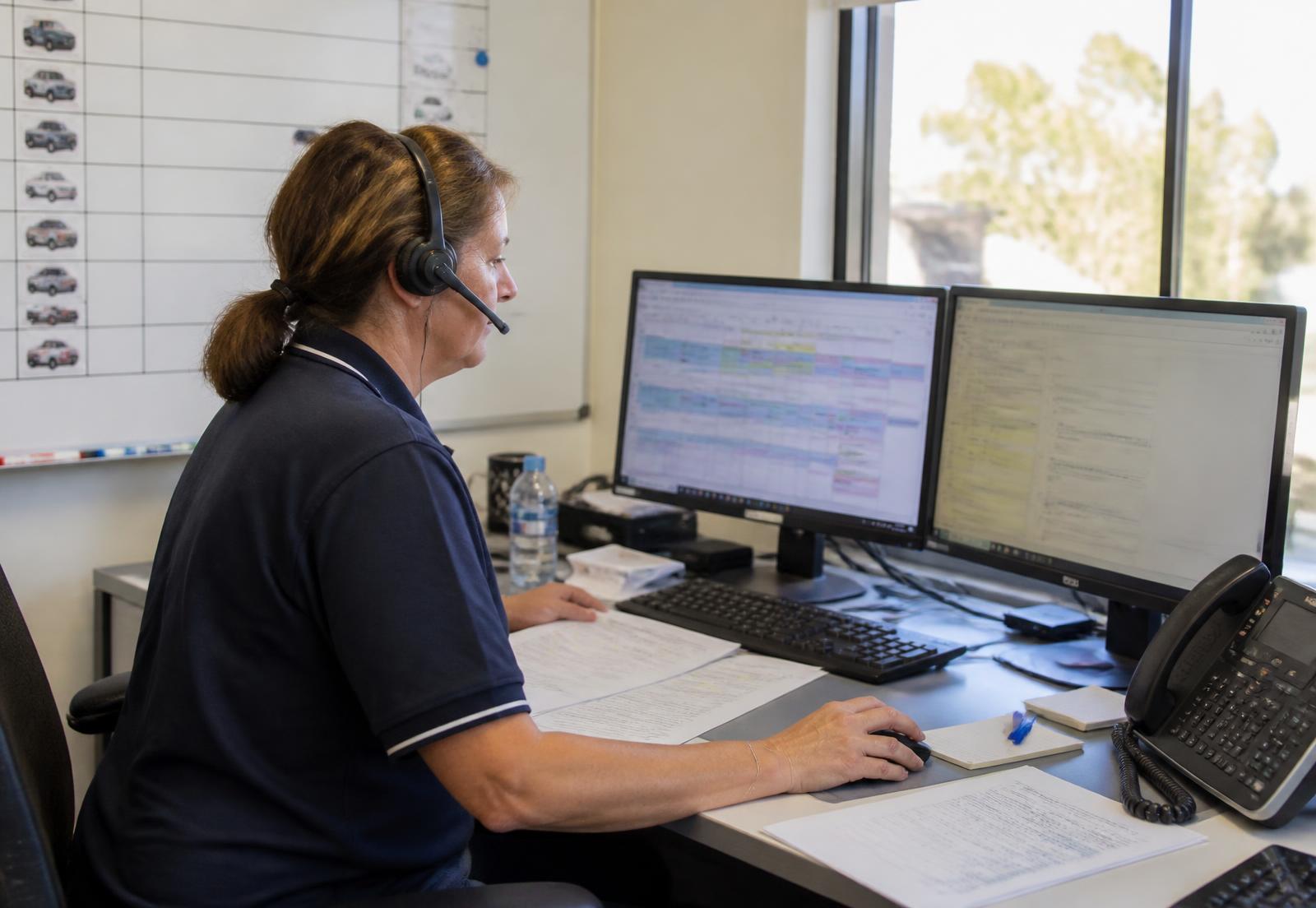
A rural outreach coordinator wearing a headset at a desk beside a whiteboard roster of vehicles and communities

“I plan the loop once, and the record comes back from the road instead of me chasing it for a week.”

A remote outreach coordinator, illustrative composite of coordinator feedback
Questions from rural and remote providers

Plain answers for serious buyers.

Bring next month's outreach loop. We will map it through Konetic One.

Test the hard parts, offline visits, cultural safety, shared workers across funders, remote NDIS loadings and DEX, Support at Home and council reporting for your funder.

Konetic One, a division of AlvacommAustralian rural and remote outreach platformOffline first, DEX, SaH and NDIS ready
Sign in Book demo