

One matter, one file, from the first phone call to the funder's acquittal.
Most people meet the legal system once, at the worst moment of their life, through a conflict check, an advice session, or a duty lawyer with thirty minutes and a court list.
Konetic One holds the conflict register, the matter file and the CLASS and NLAP reporting fields on one record, so the file is already the report.
Everything a community legal centre delivers, in the practice's own language.
Intake and eligibility, conflict checking, discrete advice, ongoing casework, duty lawyer lists, community legal education, law reform, and the supervision that sits underneath all of it. Each carries its own platform surface and its own evidence.
Conflict checking
Before a solicitor says a word of substantive advice, every named party, the client, the other side, related entities, has to be checked against everyone the centre has ever advised or acted against.
Every name entered searches current clients, former clients, opposing parties and related entities in the practice's full history, at every site and outreach clinic, in seconds.
A clearance record, who ran the search, what matched, what was decided, kept permanently on the file.

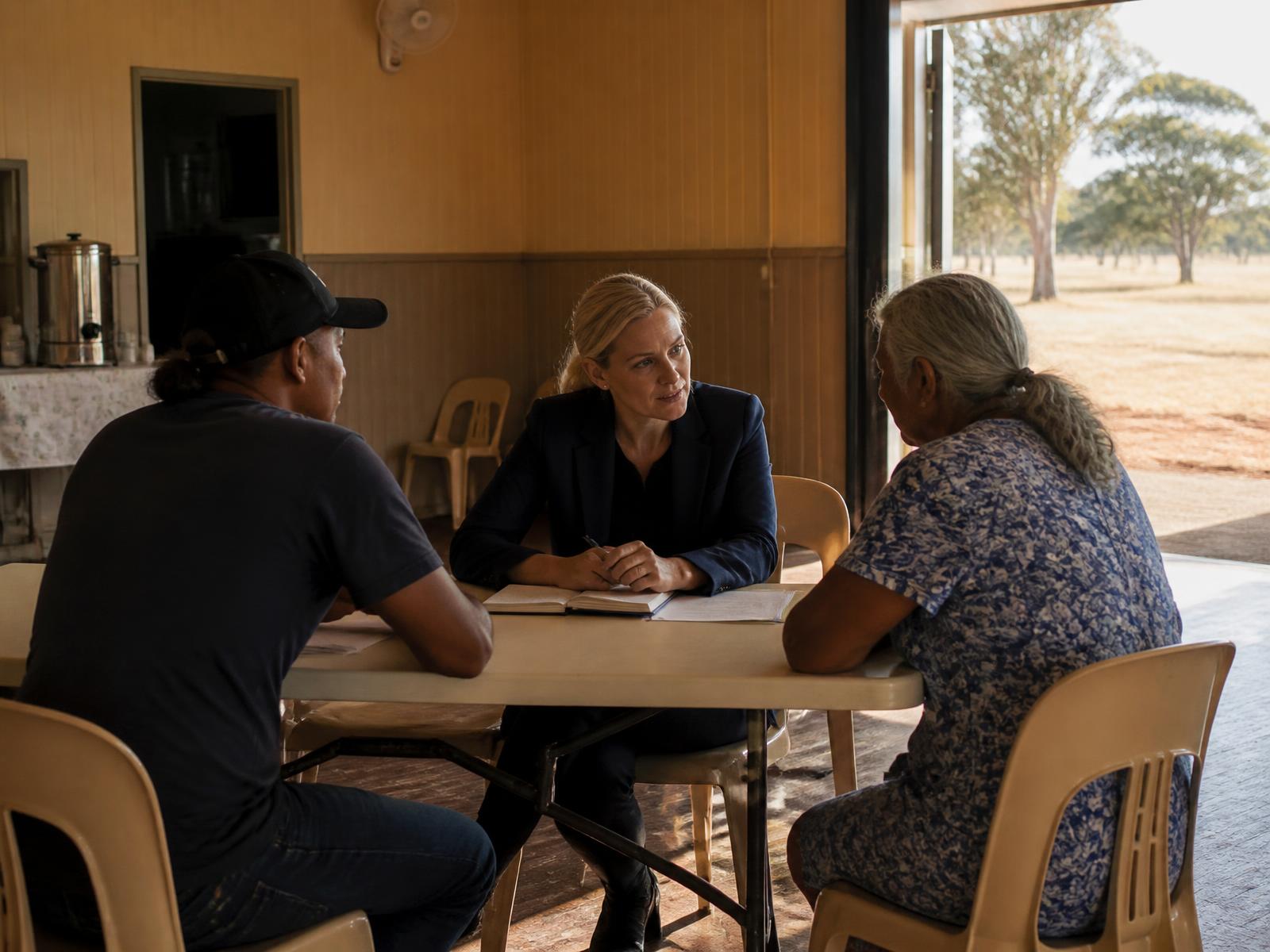
Walk one matter from conflict check to funder acquittal.
Step through matter 2291. The conflict register searches live on the left. On the right, the CLASS and NLAP reporting categories this matter will eventually need fill in as the work itself happens, not at quarter end.
Matter 2291, family law
A woman calls about a family law matter, naming a former partner. The enquiry is logged and both names run automatically against the practice's full history before anyone gives advice.
- Client, new enquiryClear
- Former partner, named partySearching
Every CLASS and NLAP category this matter needs, filling in as the matter itself progresses. Nothing here is rebuilt at quarter end.
- Conflict clearanceSearch run, match reviewed, decision recorded
- Eligibility and priority flagMeans, merit and priority client group
- CLASS service typeAdvice, minor assistance or representation coded
- Matter and datesLimitation and court dates on the worklist
- Trust and PI checklistUndertakings, trust ledger, document retention
- CLASS and NLAP extractReady for the quarterly funder submission
0 of 6 categories filled from this matter alone.
The same matter, opened as the solicitor sees it and as the client experiences it.
A file that only serves the practice's reporting needs has failed the person it was opened for. Konetic One is built to hold both at once.
Everything the file holder needs, nothing they have to chase.
A solicitor carrying thirty open matters needs the conflict clearance, the last note, the next date and the CLASS code without opening a second system.
- Conflict clearance and eligibility reasons sit at the top of the file
- Limitation and court dates escalate on their own, not from memory
- Time and CLASS coding update as the service type changes, not at month end
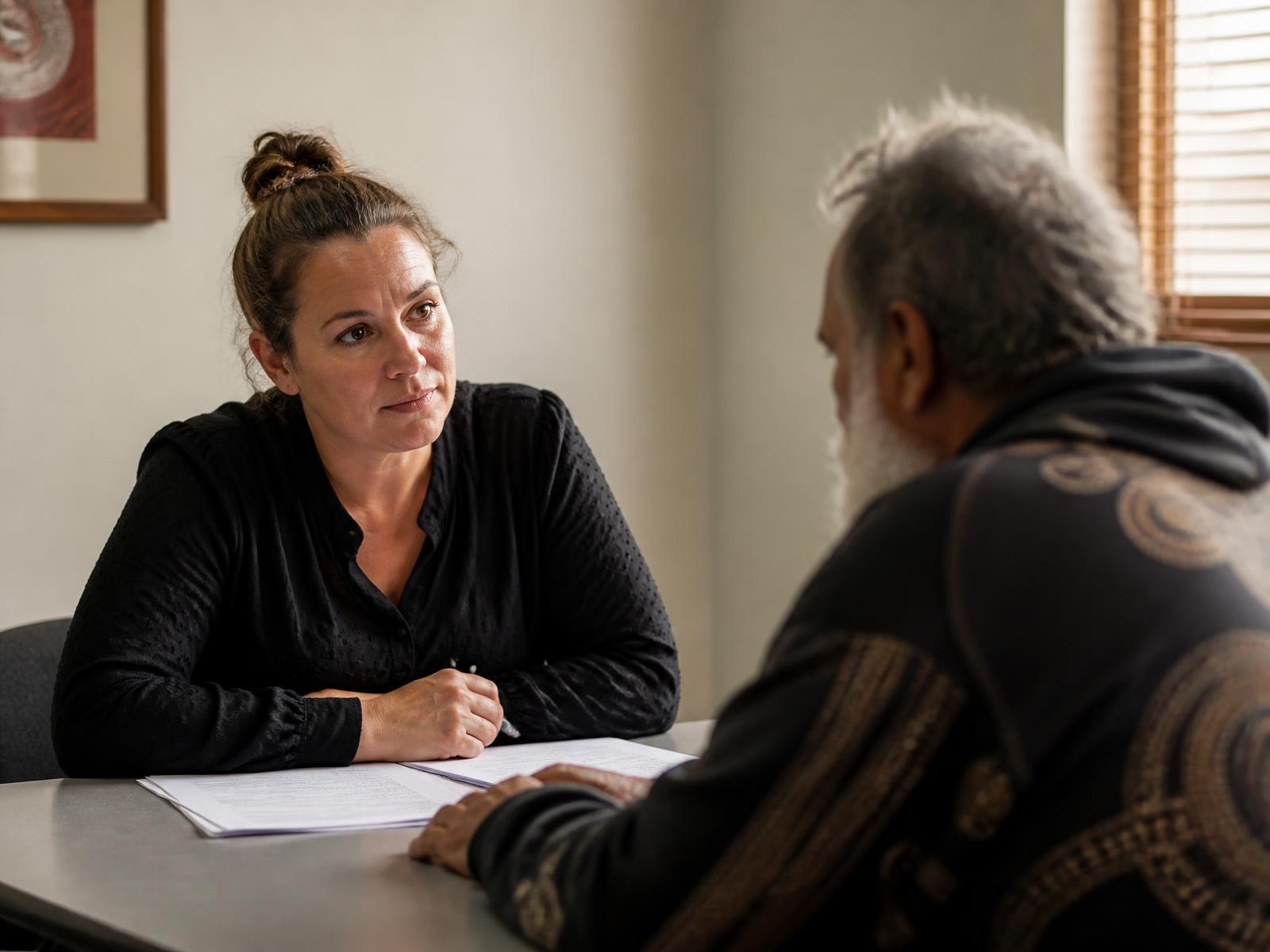
Told once, not asked to repeat it at every appointment.
Most people reach a community legal centre at the worst moment of a legal problem they never expected to have. They should not have to explain the same facts to three different people.
- Interpreter needs recorded once and honoured at every appointment
- A permissioned view of next steps and key dates, where the centre chooses to offer it
- A warm referral to Legal Aid or another centre carries the facts already given, not a blank form
A court list and a volunteer roster are both matters of record.
Today's court lists and outreach clinics
| List or clinic | Time | Coverage | Clients seen |
|---|---|---|---|
| Magistrates Court, civil list | 9:00 to 12:30 | Duty solicitor rostered | 14 |
| Local Court, family violence list | 9:30 to 1:00 | Duty solicitor rostered | 9 |
| Tribunal, tenancy list | 1:30 to 4:00 | Duty solicitor rostered | 11 |
| Outreach clinic, community centre | 10:00 to 2:00 | Solicitor and paralegal | 8 |

Volunteers, students and secondees
Pro bono panel solicitors
Named matters, defined access, reviews logged against the file
Law student volunteers
Research and drafting tasks supervised before anything reaches a client
Secondees from private firms
Time limited access that expires automatically at the end of the placement

NLAP, CLASS, grants, professional indemnity and accreditation, answered once.
A community legal centre answers to a funder, a professional body and an insurer at the same time. Konetic One keeps the evidence for each current as a by-product of the day's work.
In the platform
Client, service event, matter and CLE or law reform activity records are built to the current CLASS field specification from the day the work happens.
Evidence it produces
A validated CLASS extract, in the format funders expect, with every figure traceable to a source matter.
In the platform
Service type counts, priority client group flags and outcomes roll up by funding stream, site and program to match how NLAP funding is structured.
Evidence it produces
A funding stream report and an acquittal that reconciles to the underlying activity, not a rebuilt spreadsheet.
In the platform
Grant applications, stage payments and grant conditions attach to the matter carrying the work.
Evidence it produces
A grant funded file whose financials reconcile against the grant, ready for a Legal Aid Commission review.
In the platform
A closure checklist enforces undertakings discharged, trust ledger reconciled and documents retained under the firm's own policy before a file leaves the open list.
Evidence it produces
A closure record an insurer or a Law Society audit can rely on without a file being reopened to check it.
In the platform
Access to a matter is scoped to the people acting on it and their supervisors, with privileged notes separated from the administrative record a funder is entitled to see.
Evidence it produces
An access log showing exactly who has read a privileged file note, and when.
In the platform
Supervision reviews, file closure evidence and governance activity accumulate against the matter as work happens, rather than being compiled in the weeks before a review.
Evidence it produces
An accreditation evidence pack that is a filter over live records, not a reconstruction project.
Ruby watches the file the way a good supervising solicitor would.
Ruby is the ambient layer running quietly beneath every matter, noticing what a person would eventually catch anyway, earlier, and without anyone having to go looking.
Watches for the date nobody booked a next action against
Ruby reads every open matter's limitation and court dates against its worklist, and flags the file with a hearing in nine days and no note since the last review, to the supervising solicitor, not just the file holder.
Turns a clinic sign in sheet into a reportable session
After a community legal education session, Ruby drafts the CLE activity record, topic, audience, reach, from the calendar entry and attendance list, and leaves it for the presenter to check before it is saved.
Finds the CLASS field a return is about to be missing
Before a reporting period closes, Ruby lists the records missing a required CLASS field, priority client group, referral source, outcome, while there is still time to correct them.
Ruby notice, illustrative
"Matter 2291, tenancy termination, hearing in nine days. No submissions filed and no note since the last review. Flagging to the supervising solicitor now."

The parts of running a legal centre worth reading in detail.
Conflict of interest checking
How Konetic One runs a documented conflict check on every enquiry before advice proceeds, across every site and practice area of a community legal centre.
Read the detailMatter and file management
One matter file carries legal advice, minor assistance tasks and ongoing representation, with limitation dates, file notes and documents in one place.
Read the detailDuty lawyer clinics
Roster solicitors against court lists and outreach clinics, and turn a duty lawyer attendance into a proper client.
Read the detailCommunity legal education and law reform
Record community legal education sessions and law reform or policy submissions as reportable CLASS activity, not informal notes lost after the event.
Read the detailFile closure and professional indemnity
Closure checklists that enforce undertakings, trust reconciliation and document retention before a matter leaves the open list.
Read the detailCLASS and NLAP reporting
Client, matter and community legal education records built to the CLASS specification, validated before submission, reconciled against NLAP funding agreements.
Read the detail
What community legal centres ask us first.
See the conflict register run against your own matter list.
A walkthrough with your own practice areas, funding streams and CLASS obligations, not a generic demo.