
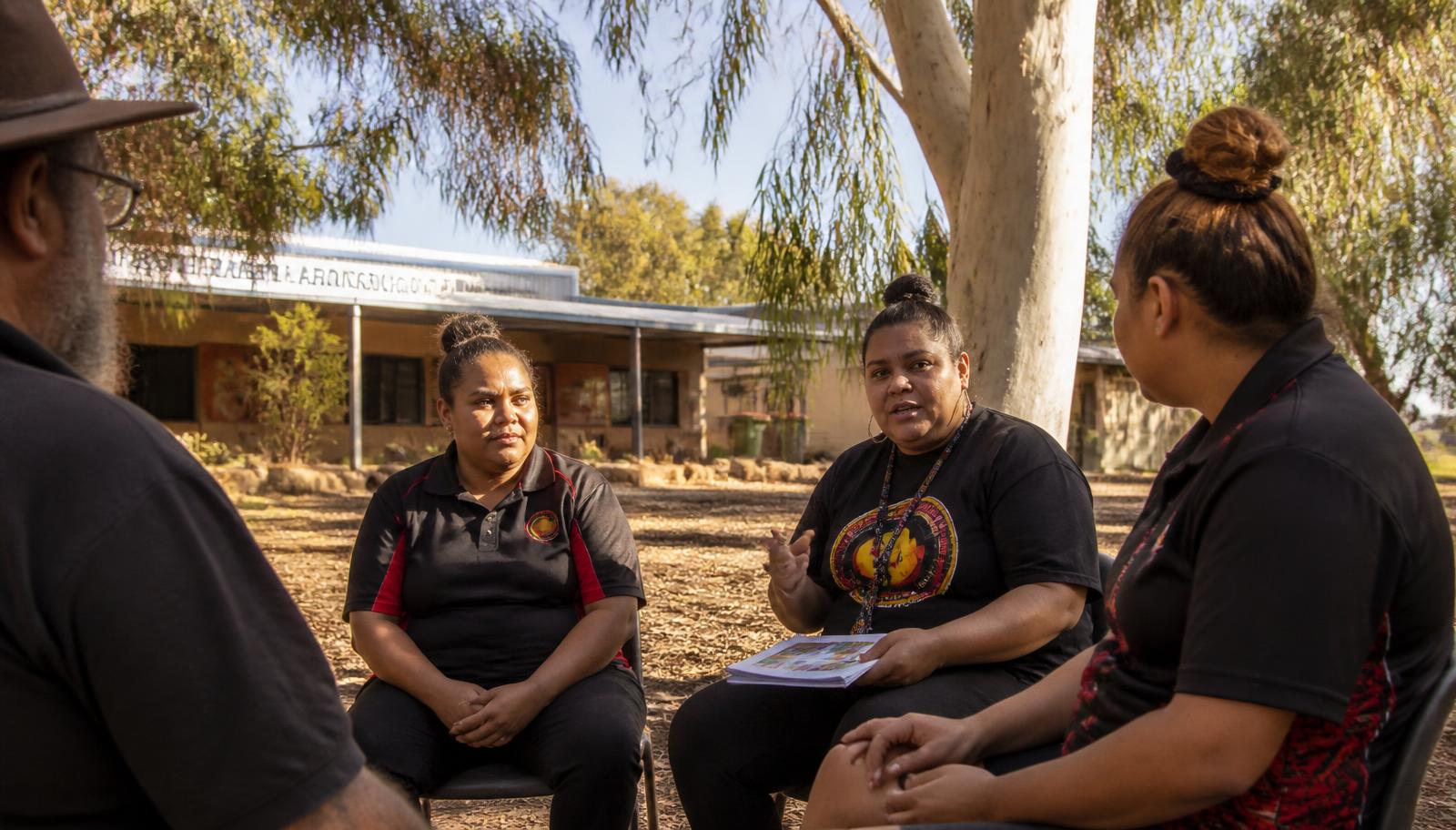
Country, kinship,
continuity of care.
Your workers already carry family, history and Country in their heads, because no system has ever offered to hold it with them.
Konetic One holds it. Family and kinship, cultural permissions, programs, primary health and Closing the Gap reporting, in one record your community owns.
Tick the ones your team lives with every week.
None of this is a training problem. It is what happens when the clinical record, the funding agreements and the community's own governance were never built to talk to each other. Select any that are true and we will name the part of Konetic One that removes it.
Select the ones you recognise. We will name the part of Konetic One that removes each.
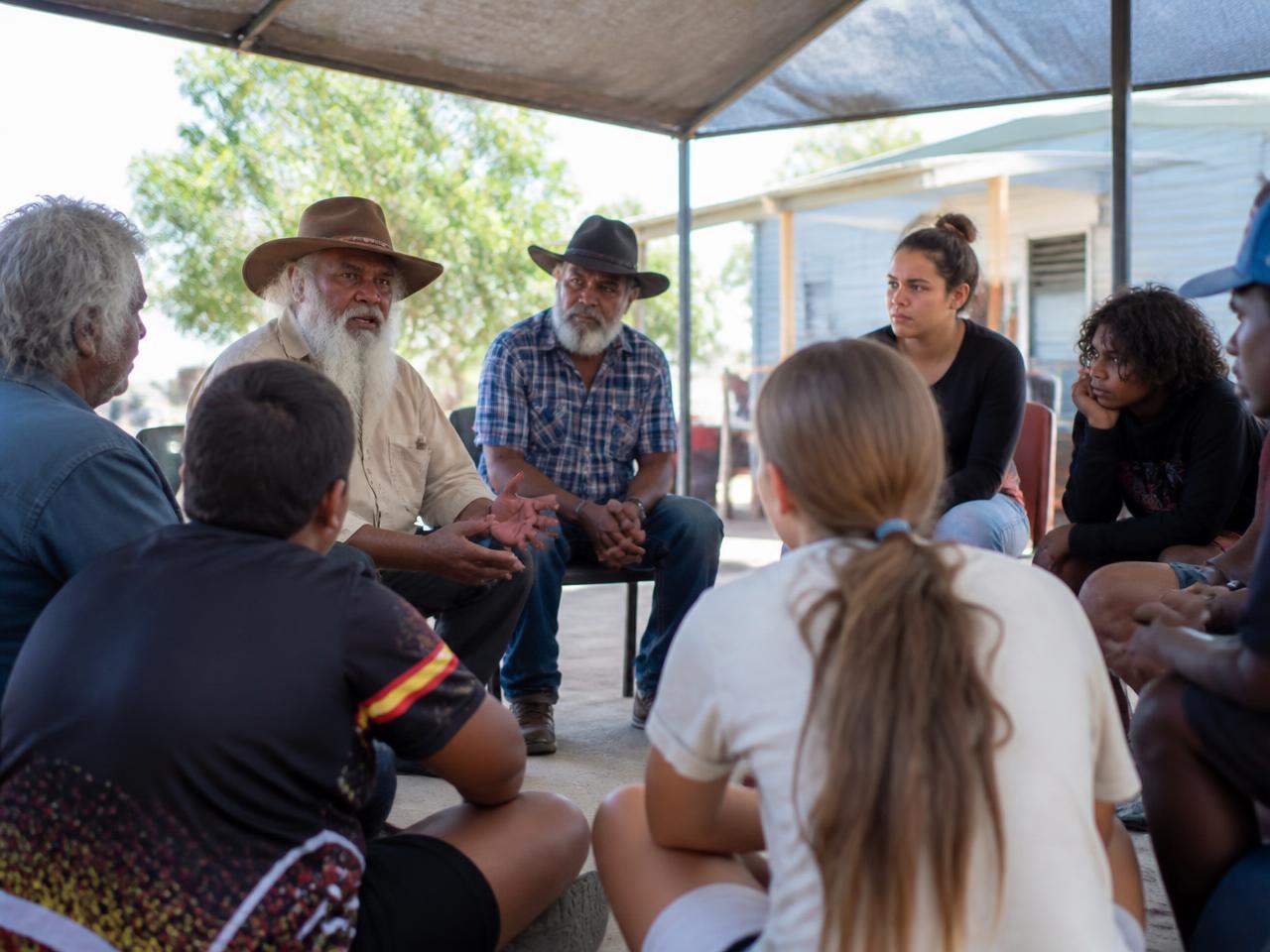
Open the same family record as four different people.
Cultural permission usually lives in people's heads and in quiet agreements between workers. It holds until the day someone new opens the wrong screen. In Konetic One the permission travels with the record itself.
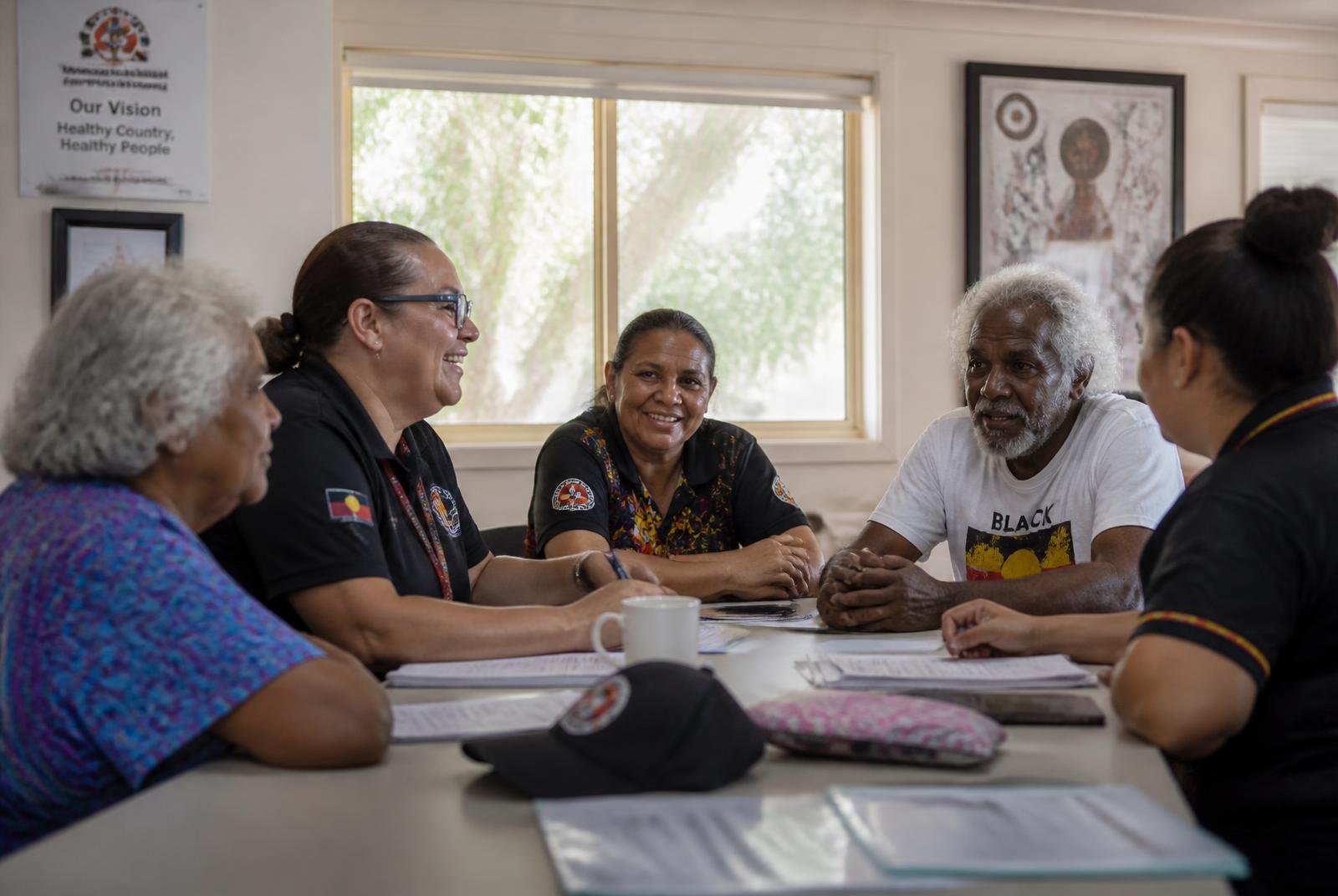
The organisation decides these rules, not Konetic One. The platform simply refuses to break them, on every screen, every report and every export.
- Family and householdOpenSix people across two homes, three generations
- Kinship linksOpenEleven linked records, Elder oversight by two Aunties
- Connection to CountryOpenRiver clan, seasonal travel recorded on the plan
- Chronic disease care planClinicalReview due in eleven days, health check current
- Women's health recordWomen's businessHeld by the women's team, entry restricted
- Men's group participationMen's businessWithheld under cultural permissions
- Sorry business flagSorry businessActive. Automated contact and reporting prompts paused
- Program participation countsOpenFour programs, twenty two contacts this quarter
What changes for the organisation, and what changes for the family.
A community platform only earns its place if both ends of it feel different. Choose whose day you want to look at.
The team stops rebuilding what it already knows.
Workers arrive at a home visit already holding the family picture. Coordinators see the week honestly rather than optimistically. Managers produce the quarterly return from the work that was actually done.
- One record across primary health, social and emotional wellbeing, family services and youth programs
- Rosters, travel and cultural load visible per worker, so the team can rebalance before somebody goes quiet
- Closing the Gap, nKPI, OSR and IAS reporting produced from daily practice rather than rebuilt each quarter
- Works offline on Country and on island communities, then syncs when coverage returns
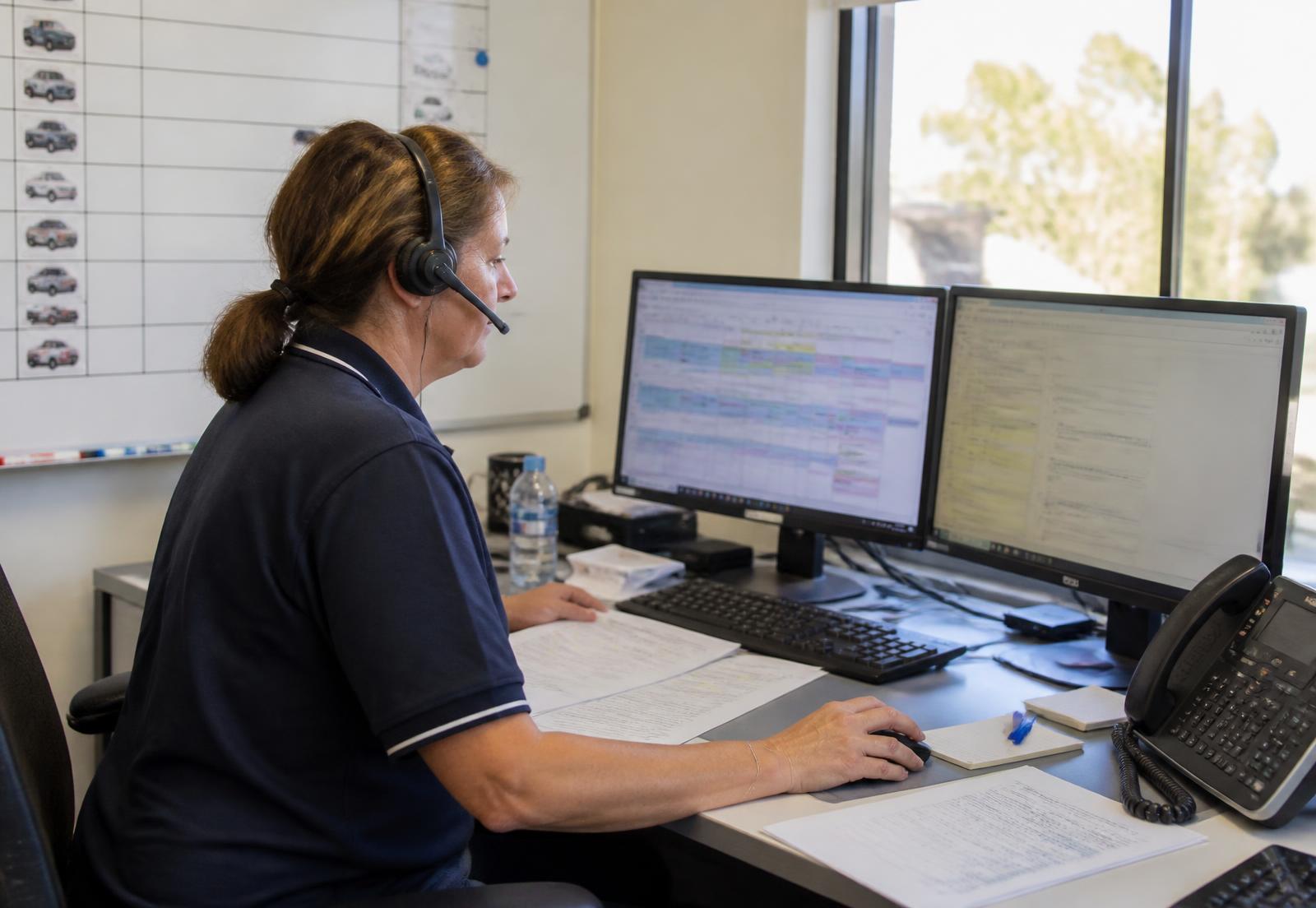
Nobody has to tell the same story twice.
A family walks in and is already known. The worker in front of them can see the supports already in place, and what was agreed last time, without the family carrying the history themselves.
- The story is told once and held with consent, not repeated at every door
- Cultural preference, kinship and Elder involvement are part of the record, not a note in the margin
- Sorry business pauses automated contact, so the organisation does not intrude at the worst moment
- The community owns its own data, and the Board can see exactly what is held
One organisation. Eight kinds of work. The same family walking through all of them.
A community controlled organisation is not a single service. It is a clinic, a wellbeing team, an NDIS provider, a family service, a youth program, an aged care provider, a transport fleet and an employer, usually in the same building. Choose a stream and see the real work on the left, and the exact part of Konetic One that carries it on the right.

Clinic days, health checks and the long work of chronic disease.
- 715 health checks, care planning and recall for people with diabetes, kidney and heart disease
- Nurse and Aboriginal Health Practitioner clinics, walk ins alongside a booked list
- Transport picked up on the way, because a missed ride is a missed appointment
- Specialist outreach visits landing in town for two days a month
- Client record
One person record shared across clinic, SEWB and family programs, with kinship links
- Scheduling and recall
Recall lists by cohort, walk in queue beside the booked list, no double entry
- Care plans
Goals, reviews and who is responsible, visible to the next worker who opens the file
- Transport
Pick ups attached to the appointment, so the ride and the visit are one plan
Counselling, cultural healing and staying with people who are not ready to talk yet.
- SEWB counsellors, psychologists and cultural healers working with the same person
- Yarning sessions that never fit a fifty minute billable block
- Suicide postvention and community response after a death
- Group programs, men's and women's, on Country where possible
- Episodes and sessions
Individual, group and outreach contacts recorded the same way, including a yarn that was not a session
- Outcome measures
Instruments captured over time so change is visible without a separate spreadsheet
- Sorry business flag
Pauses automated contact and reminders for the family until the organisation lifts it
- Risk and safety
Escalation, follow up and who was notified, timestamped
Being the provider people trust in a market that was not built for community.
- Support coordination, plan management and direct supports for participants
- Helping families through access requests and plan reviews
- Shifts covered by workers who are known to the family, not a stranger from an app
- Chasing claims that reject for reasons nobody explained
- Plans and budgets
Live budget by support category, so a plan does not run out without warning
- Rostering
Match on gender, kinship and cultural preference, not just availability
- Claiming
Bulk claim files with price guide checks before submission, and rejection reasons in plain words
- Incidents
Reportable incident workflow with the NDIS timeframes tracked on screen
Keeping families together, and keeping children connected to kin and culture.
- Intensive family support in the home, often several times a week
- Playgroups, parenting programs and early years supported by aunties
- Working alongside child protection without becoming an arm of it
- Kinship carer support and cultural care planning
- Family group record
The household and kinship network as one record, not five unlinked files
- Case plans
Goals, contacts and reviews with SCORE captured at the point of the conversation
- Cultural permissions
Sensitive fields held to the right workers, with the Elder view available separately
- Document vault
Cultural care plans, court material and consent, versioned with an audit trail
Being there before a court date, and still there after one.
- Night patrols, diversion and bail support
- After school and school holiday programs that fill up with fifty kids and no notice
- Mentoring, sport and Country trips as real intervention, not a treat
- Attendance and engagement work with schools
- Program register
Sessions, attendance and headcount taken on a phone at the gate
- Consent and enrolment
Parent and guardian consent held once, valid across the year's programs
- Outcomes
Engagement over time per young person, not just a total attendance figure
- Safeguarding
Worker screening, ratios and incident reporting checked before a program runs
Older people staying on Country, cared for by their own community.
- Personal care, domestic help, social support and meals in people's homes
- Long drives between clients on unsealed roads
- Elders who will accept care from a particular worker and no one else
- Respite that holds a family together for another year
- Support at Home
Service agreements, budgets and statements aligned to the new program structure
- Mobile visits
Notes, photos and time captured offline in the home, synced when signal returns
- Rostering and travel
Travel time and kilometres costed properly, so remote delivery is not run at a loss
- Quality
Aged Care Quality Standards evidence produced from the same visit records
The bus, the funeral, the food run and the day the power went out.
- Community transport to appointments, funerals and shopping
- Food relief, no interest loans and emergency support
- Cultural events, NAIDOC and community days
- Being the organisation everybody calls when something goes wrong
- Transport bookings
Trips, vehicles, drivers and a run sheet the driver can read on a phone
- Assistance register
Emergency support given, with equity checks so the same families are not missed
- Events
Registrations, volunteers and rooms in one place instead of a paper sign in sheet
- Assets
Vehicles, servicing and registration tracked so a bus is never quietly unroadworthy
The organisation is often the biggest employer in town, and the training pathway too.
- Traineeships and cadetships for local people into health and care roles
- Supervision, cultural load and burnout in a workforce who are also community members
- Work readiness programs and job placements
- Social enterprise running alongside funded services
- Workforce record
Qualifications, screening, licences and expiry warnings before they lapse
- Training
Mandatory and cultural training tracked per worker, evidenced for audit
- Supervision
Supervision sessions and cultural load recorded, so it is managed rather than assumed
- Participant outcomes
Placements and sustained employment measured beyond the first pay cycle

We have always held our families and our stories. We just needed a record that could keep up without taking that away from us.
Every reporting line, matched to the part of the platform that satisfies it.
Not a list of acronyms. For each obligation, what Konetic One actually does, and the evidence it leaves behind when somebody asks.
Contacts, group sessions and program activities are tagged to the relevant target and priority reform as they are recorded, not at quarter end.
A target level activity report and a Board pack drawn from the same live record the team works in every day.
Clinical activity, care plans and health checks map to the nKPI measures, with gaps visible during the period rather than after it.
A period return with the underlying client list behind every number, so a query can be answered in minutes.
Program budgets, activity targets and expenditure sit against the same records that carry service delivery.
An acquittal that reconciles to the activity, with the source contacts attached.
Permission tags for men's business, women's business and sorry business, configured by the organisation and enforced by the system on every screen and every export.
An access log the Elders group can review, showing what was seen and by whom.
Consent is recorded per purpose and per party, with expiry, and the system refuses to share outside it.
A consent history on the client record, exportable if it is ever questioned.
Hosted in Australia, community named as the owner of its data, with full export available at any time.
A written ownership position and an audit trail the Board can inspect without asking us.
Configured with community, not sold to community.
Konetic One is configured with the organisation's own workers, in the organisation's own language. Field labels, permission rules, programs and reporting lines are set by the people who will use them. The platform is meant to remove a task, never to add one.
With the community named as the owner of its data.
Every read and write, exportable for the board pack.
The picture, without the sensitive detail.
Full export at any time, no negotiation.
Some visits happen on foot, street by street. Others need a boat.
Outreach is ordinary practice, not an exception the platform tolerates. A visit recorded on a phone in a remote community has to be exactly as complete as one recorded in a city clinic.


Ruby works inside this organisation's own record, not on top of it.
Ruby is the platform's assistant. It drafts, checks and summarises within the same cultural permissions as the person it is helping, and it never acts on its own.
Drafts the note, the worker owns it
After a home visit the worker speaks for a minute. Ruby drafts the case note in the organisation's own language and leaves every word editable before anything is saved.
Finds the gap before the funder does
Ruby reads the period's activity against the measures the organisation reports on and flags the ones running short while there is still time to act.
Answers a Board question in plain words
Ruby summarises what a program has actually delivered this quarter, at the permission level of the person asking, with the underlying records linked.
Ruby never sees a field the worker cannot see, and no draft is saved until a person accepts it.
The detail behind each reporting line.
Written for the people who have to make the return balance.
nKPI and OSR reporting
How Konetic One supports Aboriginal Community Controlled Health Organisations to produce national Key Performance Indicator.
Read the detailClosing the Gap priority reforms
How Konetic One supports the four Closing the Gap Priority Reforms, shared decision making, community controlled sector growth.
Read the detailIAS funding acquittal
Track Indigenous Advancement Strategy grant activity, milestones and expenditure against delivery evidence.
Read the detailData sovereignty and cultural safety
How Konetic One supports Indigenous Data Sovereignty and the CARE Principles through configurable access, community controlled governance.
Read the detailIntegrated primary health and SEWB
Hold comprehensive primary health care, chronic disease management and social and emotional wellbeing programs together on one record.
Read the detailWhat organisations ask us first.
Related sectors
Many community controlled organisations run several of these at once, in one tenant.

Start with a yarn, not a demonstration.
We would rather understand how your organisation works before we show you anything. Bring the reporting that hurts most and we will walk through what the platform would do with it.